Summer Survival Guide
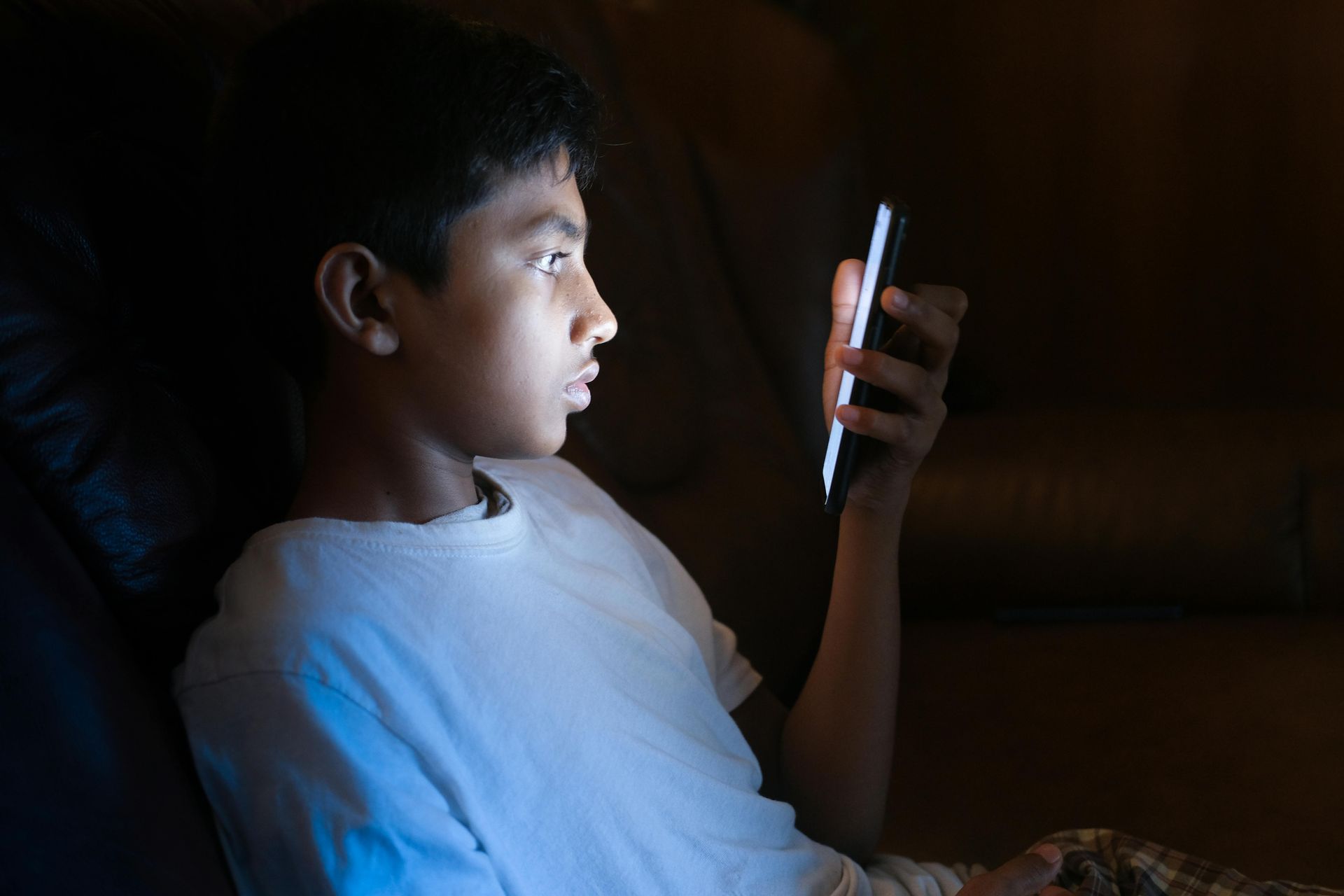
Screen Time, “I’m Bored!”, and Sleep
June 4, 2026

Summer brings longer days, fewer routines, and a lot more opportunities to hear:
“Can I have my tablet?”
“I’m not tired.”
“I’m boooored.”
The good news? Kids do not need a perfectly scheduled summer to thrive. In fact, some boredom, downtime, and unstructured play are healthy for developing creativity, independence, and problem-solving skills.
Here are a few practical ways to make summer smoother for everyone.
Screen Time: Aim for Balance, Not Perfection
Screens are part of modern life. The goal is not eliminating them — it is helping children use them in healthy ways.
Helpful Summer Screen Strategies
- Create predictable screen times instead of all-day access
- Keep devices out of bedrooms overnight
- Encourage screen-free meals and family time
- Prioritize movement, outdoor play, reading, creativity, and social interaction before recreational screen use
- Use parental controls as support, not punishment
- Model healthy screen habits yourself when possible
Try the “First, Then” Approach
Instead of constant negotiations:
- “First outside time, then screens.”
- “First reading, then gaming.”
- “First chores, then YouTube.”
Clear expectations reduce arguments and decision fatigue.
Watch for Signs of Too Much Screen Time
Some children become more irritable, anxious, emotionally reactive, or have more difficulty sleeping after extended screen use.
If you notice major mood or behavior changes, consider scaling back gradually and increasing other activities.
If you're concerned about your child's emotional well-being or need help managing screen-related behavior, call the office to see if scheduling with our Behavioral Health Clinician, Sean, is right for your family.

What to Do About “I’m Bored!”
Boredom is not an emergency. Children often discover creativity, problem-solving, and independence after working through the discomfort of being bored.
Instead of immediately fixing boredom, try responding with:
- “What are three things you could do?”
- “Would you like an active idea or a creative idea?”
- “This sounds like a good chance to use your imagination.”
Create a “Boredom List”
Before summer gets busy, work together to make a list of ideas children can choose from independently. Ideas might include:
- Water play
- Sidewalk chalk
- Building forts
- Reading
- Cooking or baking
- Craft kits
- Obstacle courses
- Bike rides
- Library visits
- Puzzles
- Board games
- Journaling
- Music playlists
- Volunteering
- Neighborhood scavenger hunts
Younger children often do best with visual choice boards or jars filled with activity ideas.
Summer Bedtimes Still Matter
Even without school, children and teens still need sleep for mood regulation, attention, learning, growth, and mental health.
Summer does not require a rigid school-year bedtime, but completely abandoning routines can make the transition back to school difficult.
Tips for Healthier Summer Sleep
- Keep wake times within about 1 hour of the school-year schedule when possible
- Maintain a calming bedtime routine
- Limit screens 1–2 hours before bed
- Encourage daylight exposure and physical activity during the day
- Avoid caffeine – especially energy drinks
How Much Sleep Do Kids Need?
- Preschoolers: 10–13 hours
- School-age children: 9–12 hours
- Teens: 8–10 hours
Many teens naturally shift later in the summer, but extremely late schedules can worsen mood, anxiety, and daytime functioning.
To learn more about helping kids sleep, see our
Insomnia Tips.
A Few Final Reminders
Summer does not need to look perfect on social media to be meaningful.
Children benefit most from:
- Feeling connected
- Having opportunities for play
- Spending time outside
- Getting enough sleep
- Having supportive relationships
- Learning how to manage downtime and boredom
Some days will feel balanced and productive. Other days may involve popsicles, pajamas, and more screen time than planned. That is normal.
Wishing your family a safe, healthy, and enjoyable summer from all of us at Pediatric Partners!
Testimonials
Nurse Shelby is our hero! My 10-year-old is terrified of needles and was stressed the morning of her appointment. Shelby was so patient, calm, and reassuring that my daughter got through both her finger poke and shot like a champ… no tears, no kicking, no screaming. By the end of the visit, she was even asking for Shelby again when we scheduled our next appointment.
I’m so grateful for the kindness and patience Shelby demonstrated. Experiences like this truly help build a child’s confidence and create a more positive attitude toward doctor visits and vaccinations in the future.
TB
1 week ago
I love Pediatric Partners and the care they give my children. Dr. Tina Khaleghi is an exceptional physician. She is incredibly thorough and clearly very knowledgeable, and I truly appreciate that she bases her decisions on evidence-based care. She is kind, patient, and always takes the time to explain things in a way that’s easy to understand, which makes a big difference as a parent. I also want to recognize her nurse, Ashley D, who is wonderful—kind, professional, and always helpful. Together, they make every visit feel supportive and reassuring. I feel confident knowing my children are in such great care. Highly recommend.
KS
4 months ago
Dr Mellick always answers all our questions and has great approach to kids. Pediatric Partners website has great additional resource for common questions and medication doses. I appreciate all treatment and recommendations are always based on most current medical knowledge. Mrs. Loren was very helpful with taking test samples and showed lots of patience. I strongly recommend this practice.
BP
4 weeks ago