Finding Balance, Building Healthy Habits & Caring for Your Family

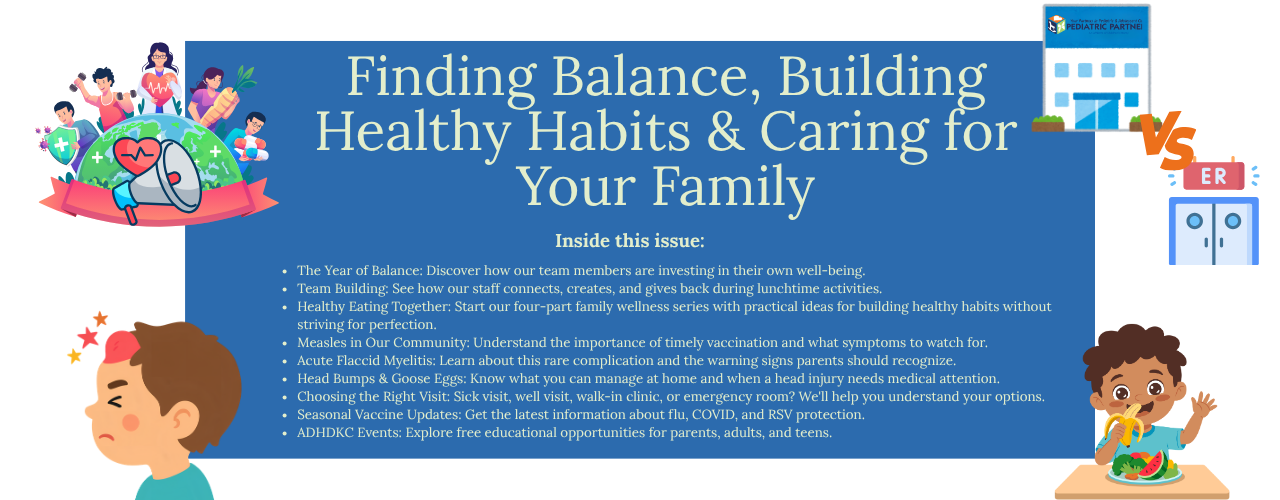
“Finding Balance, Building Healthy Habits & Caring for Your Family” with cartoon figures and icons representing what's inside this edition.

September 24, 2026


Welcome to another edition of Growing Together with Pediatric Partners!


This month, we're sharing stories and resources focused on caring for ourselves, our families, and our community. From our team's Year of Balance to practical guidance about head bumps, seasonal illnesses, and choosing the right type of medical visit, there's something here for every family.


We're also kicking off a new series about healthy eating, sharing important updates about measles and respiratory viruses in our area, and helping you prepare for seasonal vaccines.


Here’s what’s inside:


This newsletter is for you, so I’d love to know what you want to see next. If there’s a topic you’ve been wondering about, or something you’d like explained more clearly, let me know. Your suggestions guide future editions and keep me inspired when I’m staring at a blank page. Use the button to let us know what you want to read about in future editions of this blog.


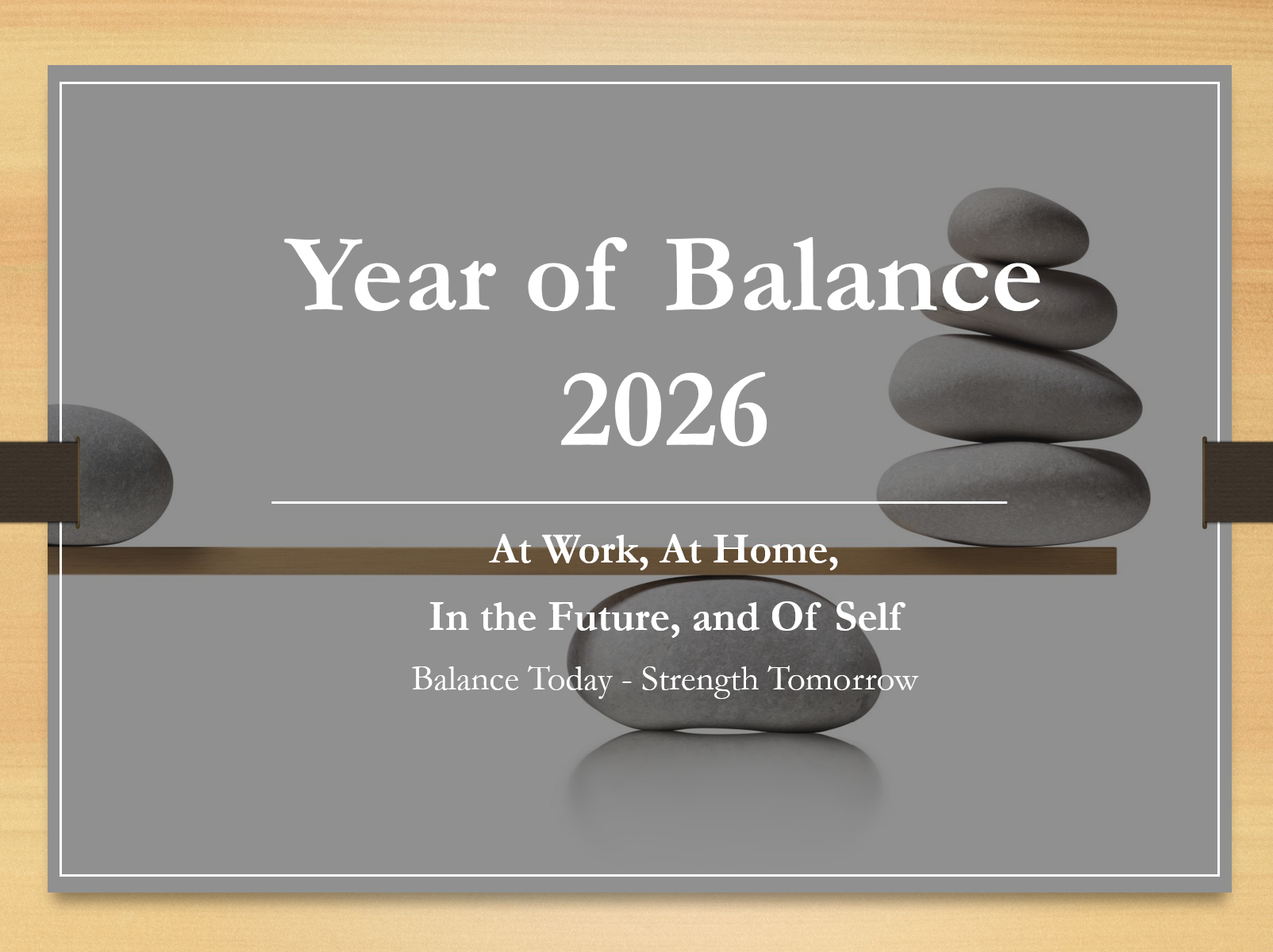
Year of Balance 2026 poster with stacked stones and gray background, featuring wellness phrases for home and self

💙 The Year of Balance: Taking Care of the People Who Take Care of You


Last month we introduced our Pediatric Partners Year of Balance — our 2026 effort to support our staff in finding balance at work, at home, for the future, and through personal well-being.


We believe that taking care of the people who care for your children is important. Each staff member is given money to spend in ways that support their own definition of balance. And because there is no one-size-fits-all approach to balance, everyone gets to choose what works best for them.  And because there is no one-size-fits-all approach to balance, everyone gets to choose what works best for them.


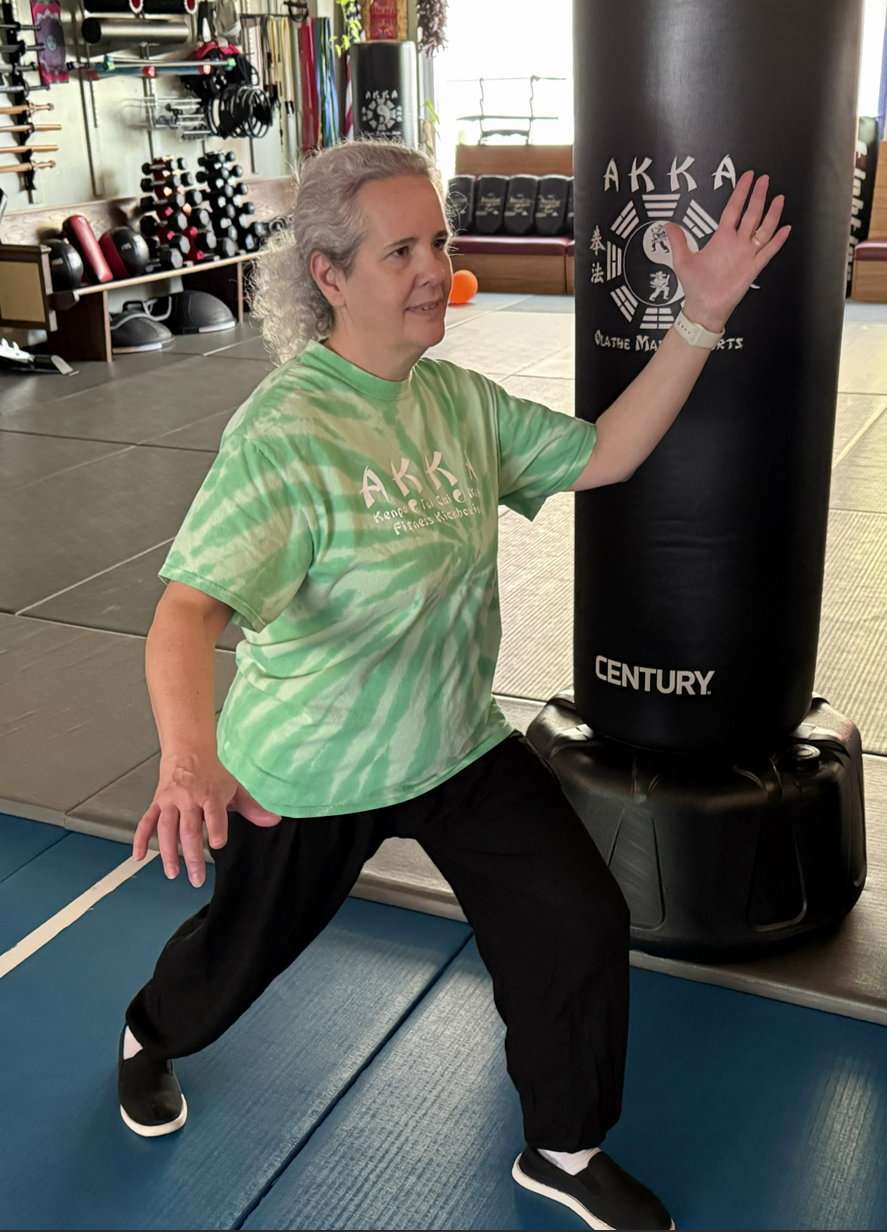
Last month we highlighted Dr. Mellick and one of our nurses. This month we're highlighting Loren, Valerie, and Dr. Stuppy, who each chose to invest in physical activity but in very different ways!

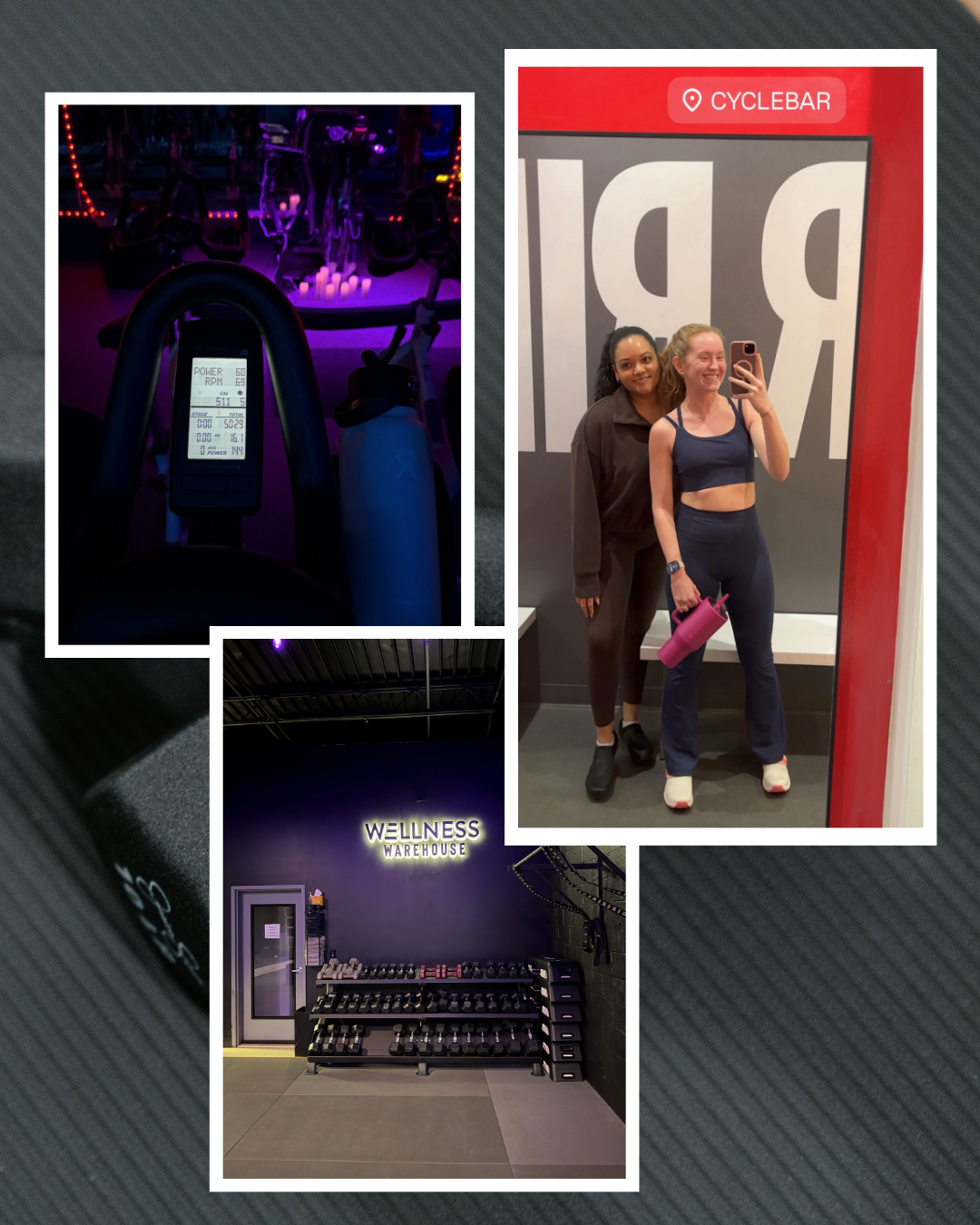
Collage of Loren with her trainer and workout equipment.

I chose to use my funds for the fitness activities that I enjoy and that have become an important part of my self-care. Working out is something I genuinely love to do, and it has been so beneficial for not only my physical health, but my mental health as well. I take classes at a local cycling studio, and I also work out with a personal trainer who is a longtime friend of mine. 


As healthcare workers, we spend so much of our time caring for others that it can be easy to lose balance and unintentionally neglect ourselves. I often have to remind myself that you can’t pour from an empty cup. We have to make time to show up for ourselves so that we can continue to show up fully for the people around us. I’m so grateful to work somewhere that recognizes the importance of balance and encourages us to prioritize our own well-being, too.


-Loren RN


I chose to use my funds towards a personal trainer at the gym. 


I struggle to motivate myself to get to the gym and exercise and it's been amazing to have someone challenge me and encourage me to work out. 


 — Valerie


Collage of Loren with her trainer and workout equipment.

I  chose to use my funds on a Tai Chi class — because balance starts to decline in mid life and I was really starting to notice it. Not only did my balance decide to retire, but my joints started filing daily complaint forms. My supportive shoes just weren't enough anymore, though I will never go back to cute sandals without support. 


Since January, I’ve been out there doing slow-motion tai chi moves, and I'm seeing the benefits. My balance is better, my joints are less achy, and I’m moving through the day feeling a little more graceful and a little less like a creaky folding chair. Those duck walk demonstrations during summer well visits went better this year compared to last! 


Unexpected perk: it’s fun, and I actually look forward to seeing the others in my classes. We chat and laugh while stretching and moving with the movements.


 — Dr. Stuppy

Finding the Right Kind of Movement


Exercise doesn't have to look the same for everyone. A personal trainer, Tai Chi class, walking, dancing, swimming, or simply finding an activity you enjoy can all be ways to add more movement to your life.


Regular physical activity can support physical health, strength, balance, mobility, mood, and overall well-being. The most beneficial activity is often the one you enjoy enough to keep doing!


That's really the point of our Year of Balance: finding what works for you.


We'll continue sharing stories from our staff in the second newsletter of each month, so you can get to know a little more about the people who care for your families—and maybe find an idea that inspires you to invest in your own balance, too.


Balance isn't just for our staff. We hope every member of your family finds ways to make room for health, connection, fun, rest, and the things that help you feel your best. 💙


TEAM BUILDING


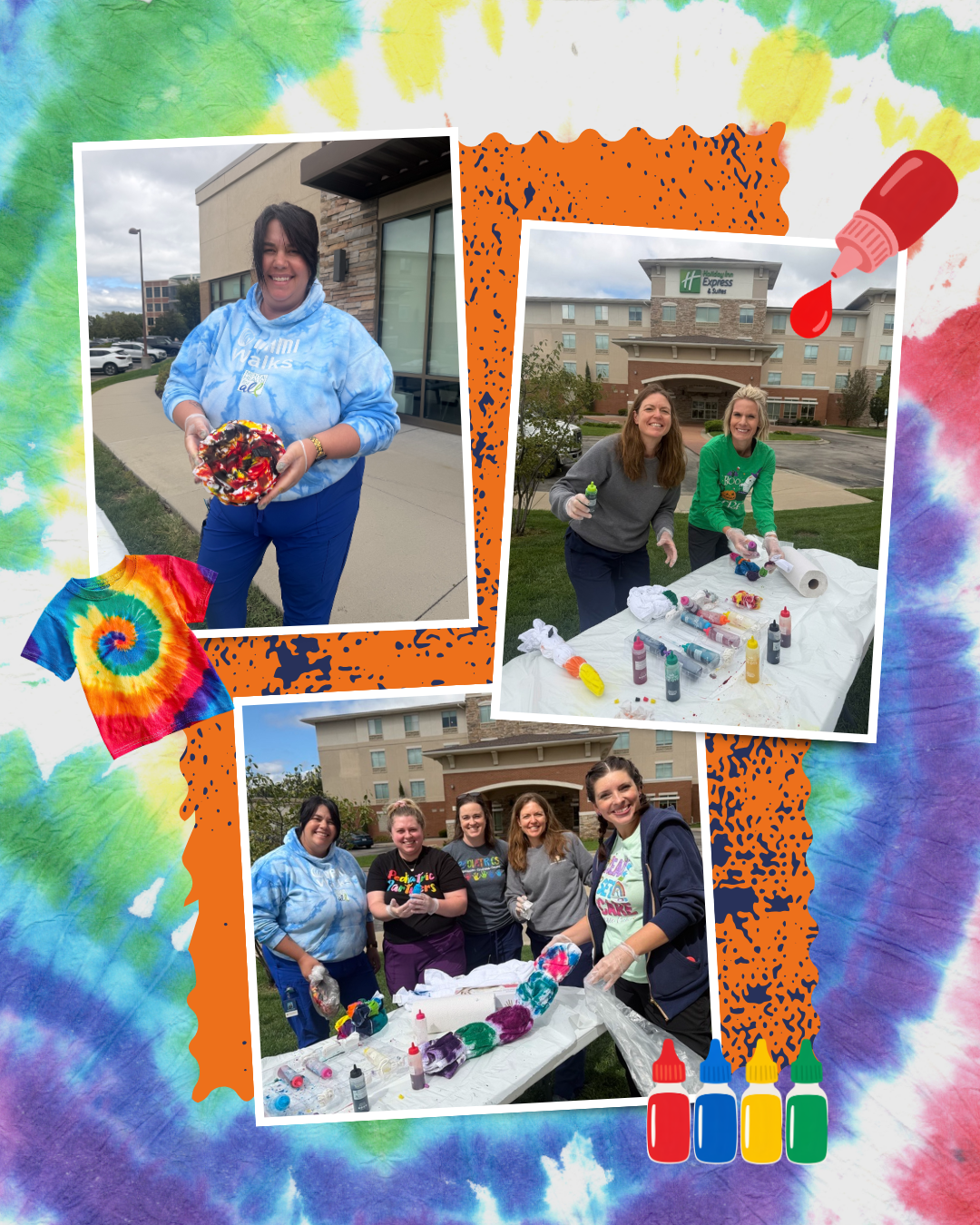
Each month our offices sponsor an activity for staff to do over lunch together. 


This month our Overland Park staff made tie-dye shirts! 


Watch to see if you catch us wearing these when you're in the office.


Orange sticky note with red pin reading “Why we recommend getting vaccines on time” on a pale green background with measles repeated across it in a darker green

Why We Recommend Vaccines On Time


You never know when you’ll cross paths with a preventable illness — and that’s exactly why staying up to date on vaccines matters. Recently, a person with measles visited several locations in our community:


Jackson County Public Health, 3651 NE Ralph Powell Road

  • Sept. 8, 8 a.m.–12 p.m.
  • Sept. 10, 12 p.m.–4 p.m.

Kyoto Sushi & Steak, 6792 W. 135th St., Overland Park

  • Sept. 7, 12 p.m.–4:30 p.m.

Pan‑Asia Supermarket, 12035 Metcalf Ave., Overland Park

  • Sept. 7, 2 p.m.–5:30 p.m.


Measles is highly contagious, and people can spread it before the rash appears, which is one reason outbreaks can grow quickly.


What Measles Typically Looks Like


A general timeline families can keep in mind:

  Days 7–14 after exposure: 

  • Fever, cough, runny nose, red/watery eyes

  A few days later: 

  • Tiny white spots inside the mouth (Koplik spots)

  Day 10–21 after exposure: 

  • Rash begins on the face and spreads downward


If your child develops symptoms like these, please stay home and call our office for guidance. DO NOT go anywhere without healthcare guidance if you suspect measles. It is highly contagious and preparations must be made prior to a person suspected to have measles entering public areas.


Orange note pinned on a green background reads: “A rare complication to know about: acute flaccid myelitis.”

A Rare Complication to Know About: Acute Flaccid Myelitis


We know that reports of a rise in respiratory viruses can make parents worry, so we want to put the recent Kansas Department of Health and Environment (KDHE) alert into perspective so when you hear the news you don't excessively worry.


Acute flaccid myelitis (AFM) is very rare, and having a respiratory infection— including enterovirus D68 (EV-D68)—does not mean a child will develop AFM. In fact, KDHE notes that increases in EV-D68 have occurred in recent years without a corresponding increase in AFM cases.


KDHE is seeing increased EV-D68 activity in some Kansas communities this summer and fall. EV-D68 most often causes a mild respiratory illness with symptoms such as congestion, sneezing, cough, and muscle aches. Some children, particularly those with asthma or underlying conditions, can develop more significant respiratory symptoms, including wheezing or difficulty breathing.


The reason we want families to be aware of AFM is that, although it is uncommon, it can progress quickly. AFM is a neurological condition that can occur in the weeks following a viral infection. The key symptoms to watch for are sudden weakness or loss of strength in an arm or leg, decreased muscle tone (“floppiness”), or noticeably decreased reflexes.


If your child develops new or sudden limb weakness, especially following a recent respiratory illness or fever, seek medical attention promptly rather than waiting to see if it improves. Early evaluation is important because weakness associated with AFM can progress rapidly.


The good news is that there are simple things families can continue doing to reduce the spread of respiratory viruses: wash hands regularly, cover coughs and sneezes, wear a well-fitted mask when you or those around you are sick, stay home when ill, and keep recommended vaccinations up to date.


Bottom line: There is no reason to panic about AFM. It is rare. We simply want parents to recognize the specific warning sign of sudden limb weakness so that if it ever occurs, your child can be evaluated quickly.


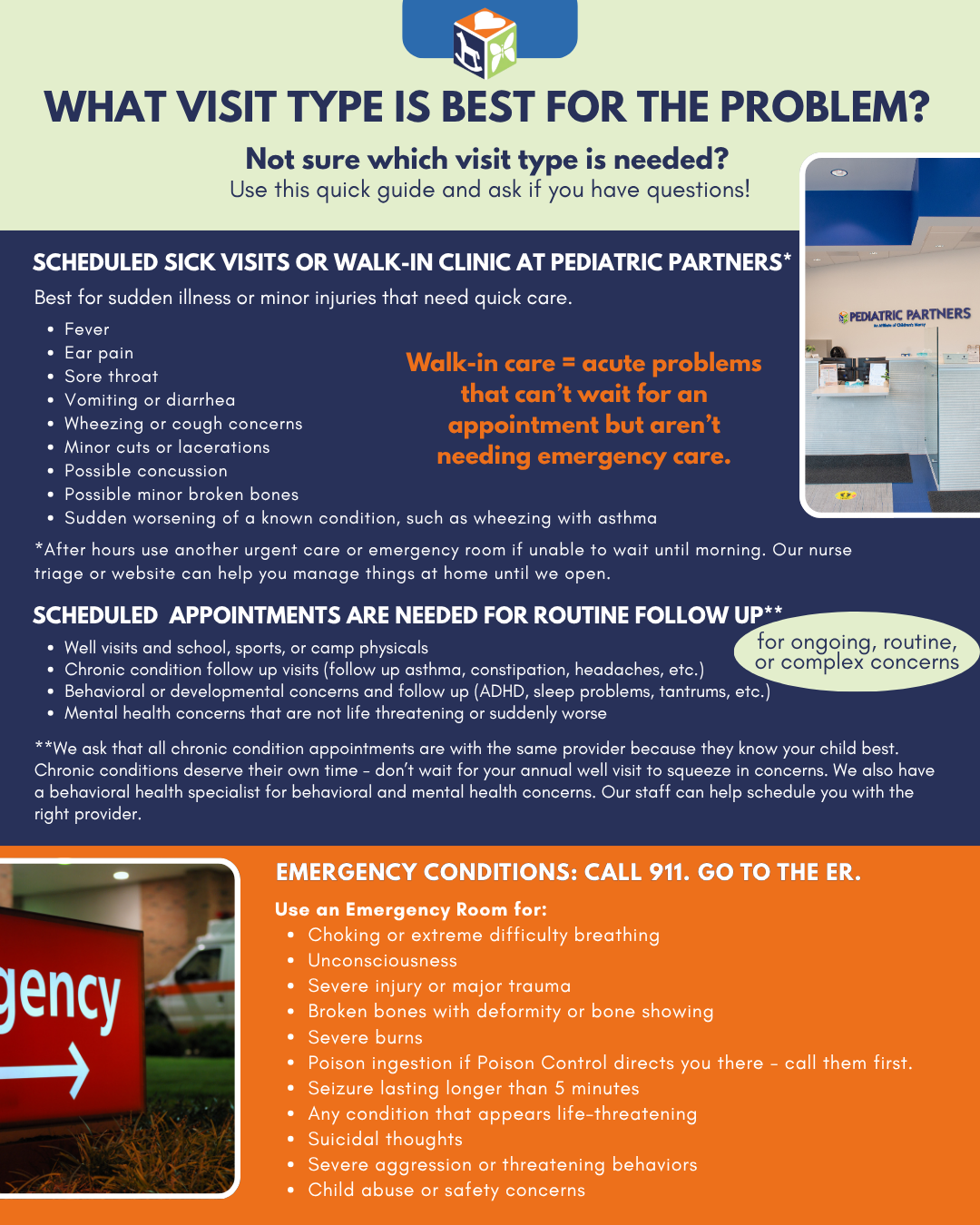
Infographic on urgent care, virtual visits, and emergency symptoms, with blue and orange sections that detail what is written in the blog.

Sick season is here! Do you know which type of visit your child needs?


One of the questions we hear a lot this time of year is: “Does my child need to be seen—and if so, what kind of appointment should I schedule?”


Not every concern needs the same type of visit. Choosing the right visit helps us make sure your child gets the right amount of time with the right provider.


SICK VISITS = sudden problems that need attention now


Our portal can be used to schedule many sick visits and we have walk in clinics 6 days a week. Both scheduled sick visist and walk in visists are appropriate for things such as:

• Fever
• Ear pain
• Sore throat
• Vomiting or diarrhea
• Coughing or wheezing
• Minor cuts or injuries
• Possible concussion
• Other sudden illnesses or minor injuries


WELL VISITS = routine preventive care = schedule in advance


Annual well visits are for checking in on your child's overall health and development, including:
• Physical and developmental milestones
• School, sports and activity needs
• Nutrition, sleep and lifestyle
• Immunizations
• Growth and puberty
• Preventive health and safety


If problems are identified at these visits, we may ask that you follow up at another time so we can discuss the concerns in more detail. Many times families will hold off on coming in with concerns and plan on talking about it during the routine preventive care visit, but this does not allow time to discuss concerns. If your child or teen is having problems, schedule a visit with their usual physician or nurse practitioner so we have time to discuss those concerns rather than trying to squeeze them into the well visit's agenda. We cannot address everything sufficiently when we try to cover too much in one visit.


Well visits can be scheduled through the portal or by calling, but we recommend scheduling as you leave each well visit to avoid forgetting to schedule. Even if it needs to be moved due to a schedule change, the appointment itself serves as a reminder that it needs to be done. If you missed our scheduling tips to avoid family chaos with conflicts in our last blog, visit it here.


CHRONIC CONDITIONS & MENTAL/BEHAVIORAL HEALTH = schedule with our staff


Concerns such as ADHD, anxiety, sleep problems, headaches, asthma, chronic abdominal pain, and other ongoing conditions deserve dedicated time. These visits often take longer than a typical sick visit.


Please call and talk with our staff to schedule these appointments rather than using a sick-visit appointment online. Our team can make sure your child is scheduled with the appropriate provider and that enough time is reserved to address the concern well.


SPORTS PHYSICALS = usually done with the annual well visit, but timing might be off


If your child's annual well visit is already completed but falls outside the timeframe required by the school for a sports physical, we can schedule a separate sports physical. These are cash-pay visits because insurance generally does not cover a separate sports physical.


A better long-term strategy is to plan ahead with your annual well visits. As kids get older, consider gradually shifting their yearly visit later in the year so that, by middle school, the visit falls:

  • After February 1 in Missouri
  • After April 1 in Kansas
    …and before the fall sports season begins.


This may take several years of scheduling annual visits 13–14 months apart, so think ahead when scheduling well visits for fall and winter birthdays.


If your child needs a sports physical, please call us to schedule it so we can make sure the appointment is scheduled appropriately. If their annual well visit already falls within the school's required timeframe, sports forms can usually be completed at that visit.


Still not sure which visit your child needs? Just ask!


Our staff can help you figure out the best way to get the care your child needs. 

📱 Please Don't Miss Your Phreesia Check-In!


Before scheduled visits, you should receive a text message from Phreesia with a link to complete your check-in. This may include several questionnaires and health surveys that are important for your child's care.


Please complete the check-in before arriving at the office to not only save time in the waiting room but also so you have time to contemplate the answers about your child that you are unsure of. This is especially helpful for the developmental questions that help us assess your young child at well visits.


The Phreesia message also includes your child's appointment date, time, and office location, so please take a moment to review that information carefully. If you have a conflict, please let us know more than 24 hours in advance to avoid a no-show fee.

If you aren't receiving Phreesia messages, they may have been filtered as spam or the number may have been blocked on your phone.


If the Phreesia messages are marked as spam, try these steps or use the buttons below for more information on managing your messages:


🍎 iPhone

  • Open the Messages app and check Filters → Spam. Apple says messages that are incorrectly identified as spam can be marked Not Spam and moved back to your regular messages.
  • Check whether the Phreesia number has been blocked: Settings → Privacy & Security → Blocked Contacts. If you find the number there, remove it from the blocked list.
  • If you previously reported Phreesia as spam, make sure future messages aren't being filtered.


🤖 Android / Google

  • Open Google Messages.
  • Tap your profile picture → Spam & blocked.
  • If you see a Phreesia message there, select the conversation and tap Unblock. Google says this removes the spam report and returns the conversation to your regular messages.


Appointment reminders are a courtesy


Not receiving the text does not cancel or change your appointment.


Families are still responsible for knowing their appointment date, time, and location and for arriving on time with the pre-visit check in completed.


Healthy Eating Together flyer with photos of family meals, fruits, and vegetables on a white background

Healthy Eating Together: A 4-Part Family Wellness Blog Series


This 4-part blog series is designed for families with children of all ages, from babies and toddlers to teens and young adults. The goal is to encourage realistic, sustainable habits that support physical health, emotional well-being, and stronger family connection. The tone should be supportive, practical, and nonjudgmental while acknowledging the realities of busy family life.


Part 1: Healthy Eating Starts at Home: Building Better Habits Together


Healthy eating can sometimes feel like one more thing parents are expected to get “right.” There are endless opinions about what children should eat, how much they should eat, and which foods are healthiest. Add busy schedules, picky eaters, school lunches, sports, work, and different food preferences within the same family, and it is easy to feel overwhelmed.


The good news? Healthy eating does not have to be perfect to make a difference.


The habits we build around food as a family can help children grow, learn, sleep, play, and develop a healthy relationship with food. And those habits can continue to benefit them long after they leave home.


Healthy eating is about more than what is on the plate


Food provides the energy and nutrients children need for growth and development. A balanced diet supports the brain as children learn, helps maintain energy throughout the day, supports a healthy immune system, and provides the building blocks for strong bones, muscles, and organs.


Nutrition also plays a role in long-term health. The eating patterns children develop over time can influence their risk for conditions such as heart disease, type 2 diabetes, and obesity later in life.


But healthy eating isn't simply about nutrients. Food is also part of our social and emotional lives.


Meals can provide a predictable time to connect. Preparing food together can teach independence and confidence. Trying new foods can be an opportunity to explore. And sitting down together can create a space for conversation that might not happen anywhere else during a busy day.


That's why we want families to think about healthy eating as a pattern of habits—not a perfect diet.


There is no need for a “perfect” diet


One healthy meal doesn't make a child healthy, and one less-nutritious meal doesn't make a child unhealthy.

Think about what your family eats over days and weeks rather than focusing on individual foods or meals.


A birthday party with cake is part of childhood.


A drive-through dinner on a busy night is sometimes necessary.


A bowl of cereal for dinner is not a parenting failure.


What matters is the overall pattern.


Instead of labeling foods as “good” or “bad,” try talking about foods in terms of what they provide. Some foods give us protein to build and repair our bodies. Others provide fiber, vitamins, minerals, or energy. Some foods are simply foods we enjoy.


All foods don't have to serve the same purpose to have a place in a healthy life.


This approach can also help children develop a healthier relationship with food and their bodies as they grow.


Start with the basics


You don't have to completely change your family's diet overnight. Small, consistent changes can add up.


When possible, build meals around a combination of:

  • Fruits and vegetables for vitamins, minerals, fiber, and a variety of nutrients
  • Protein such as eggs, beans, lentils, fish, poultry, meat, tofu, yogurt, or cheese
  • Whole grains and other sources of carbohydrates for energy and fiber
  • Healthy fats from foods such as avocado, nuts and nut butters, seeds, olive oil, and fish
  • Water as the primary drink


You don't have to accomplish all of this at every meal. Think about balance over the course of the day.


And remember: frozen, canned, and pre-cut foods count!


Frozen vegetables can be just as nutritious as fresh ones. Canned beans and fruit can make meal preparation easier. Pre-washed salad greens and baby carrots may cost a little more but can be worthwhile if they make it more likely that your family will actually eat them.


Healthy eating has to fit into your actual life.


Healthy eating looks different at different ages


What a healthy eating pattern looks like changes as children grow.


Babies and toddlers


Early childhood is a time of exploration. Babies and toddlers are learning what food tastes, smells, and feels like.

Offer a variety of nutritious foods and give children repeated opportunities to try them. Don't be discouraged if a toddler rejects a food today that they happily ate last week—or refuses something they've never tried before.


It can take many exposures before a child accepts a new food.


Whenever developmentally appropriate, allowing children to participate in feeding themselves also helps them learn about hunger and fullness.


And remember that young children have small stomachs. Their appetites can vary considerably from one meal to the next.


School-aged children


As children become more independent, involve them in the process.


Let them:

  • Choose between two healthy options
  • Help make a grocery list
  • Wash fruits and vegetables
  • Stir ingredients
  • Pack part of their lunch
  • Help choose a family meal
  • Grow herbs or vegetables


These small responsibilities teach children that food doesn't magically appear on the table—and help them develop skills they will eventually need to feed themselves.


Teens


Teenagers need increasing independence, but they still benefit from having nutritious foods readily available at home.

Rather than trying to control every food choice, help teens learn how to make choices for themselves.


Talk about how food affects energy, concentration, sports performance, sleep, and overall health rather than making conversations primarily about weight.


Keep easy options available for busy teenagers: fruit, yogurt, cheese, nuts or nut butter, whole-grain foods, leftovers, eggs, vegetables, and other foods that require little preparation.


Teaching a teen how to make a quick balanced meal may be more valuable than telling them what they should eat.


Your child is watching you


One of the most powerful ways to teach healthy eating is to model it.


Children notice what adults eat, how we talk about food, and how we respond to our own bodies.


If children regularly hear adults say things like “I can't eat that,” “I was bad today,” or “I need to lose weight,” they can begin to associate food with guilt and body image.


Instead, let children see you enjoying a variety of foods. Eat fruits and vegetables. Drink water. Try new foods. Enjoy dessert sometimes. Stop eating when you're satisfied.


You don't have to lecture children about healthy eating when they can learn so much simply by watching you.


Make healthy choices the easy choices


We all tend to eat what is convenient—especially when we're hungry and tired.


Try making nutritious choices easier to reach:

  • Keep fruit where children can see it.
  • Have easy-to-grab vegetables available.
  • Keep nutritious snacks in backpacks and cars when appropriate.
  • Prepare extra food at dinner for tomorrow's lunch.
  • Keep water bottles accessible.
  • Have a few reliable “emergency meals” for nights when everything goes wrong.


This isn't about banning less-nutritious foods. It's about making nutritious foods easy to choose.


Don't forget the family part of family eating


Healthy eating isn't just about nutrition.


How we eat matters, too.


When families can share meals—even if it isn't every night—they have an opportunity to slow down, talk, listen, and connect. Children learn social skills and mealtime routines. Parents get a glimpse into what's happening in their child's world.


And that matters for children of every age.


For a toddler, it might be practicing using a spoon.


For an elementary school child, it might be telling you about something funny that happened at school.


For a teenager, it might be the one time of day they actually put their phone down long enough to talk.


The meal doesn't have to be elaborate. The connection is the important part.


We'll talk more about the benefits of family meals—and why making time to eat together can have lasting effects on both physical and mental health—in Part 3 of this series.


Small changes are still changes


If your family's eating habits aren't where you'd like them to be, don't try to fix everything at once.


Pick one small change.


Maybe it's adding fruit to breakfast.

Maybe it's replacing one sugary drink with water each day.

Maybe it's keeping healthier snacks available.

Maybe it's having one family meal together each week.

Once that becomes routine, build on it.


Healthy eating isn't a short-term challenge or a test your family can pass or fail. It is a collection of habits that develops over a lifetime.


And the goal isn't to raise children who eat perfectly.


The goal is to help children grow into adults who understand how to nourish themselves, enjoy food without guilt, recognize what their bodies need, and have the skills to make healthy choices most of the time.


That's a pretty healthy foundation.


Don't miss our next blog for Part 2 in the series, “Healthy” Isn’t Always Healthy — Understanding Hidden Sugars and Smarter Choices.

Since the last blog, our survey only had one submission:

Bumps and bruises. Toddlers fall often, how to know if a head bump needs seen by doctor or time to heal. 


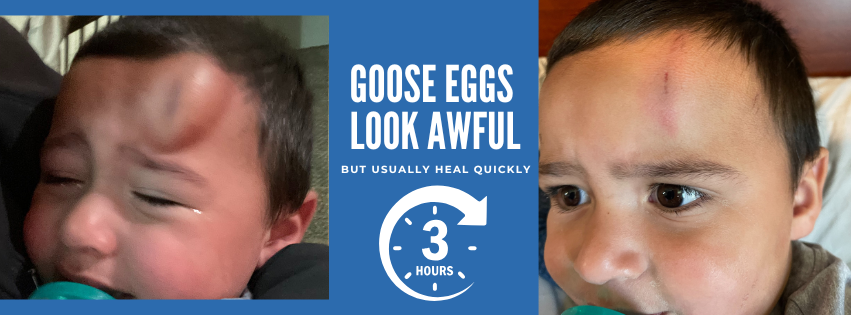
This is a great question because it's such a common concern. The pictures below were taken about 3 hours from one another. You can see in the first that there's a huge bump that lifts the hair at the hair line and even distorts the eyebrow. It is impressive, but 3 hours later after a bit of ice and TLC, the bump itself is gone and there only remains an abrasion and bruising.

Toddler with huge bump beside text “Goose Eggs Look Awful” on a blue background, with a comparison photo on the right showing only a small scrape and early bruise.

Toddlers fall. A lot. Learning to walk, run, and climb means tumbles are part of everyday life, and most of those falls end with a good cry, a quick cuddle, and a small bump that fades on its own.


Older kids also take risks, such as riding their bike without a helmet and climbing trees, so they also get many bumps and bruises.


Risky play can be healthy, especially if proper safety measures are used. But with risk comes injury sometimes. The hard part for parents is knowing the difference between a normal "goose egg" and a bump that needs a doctor's eyes. Here is a practical guide.


Most head bumps are minor


The good news first: the vast majority of everyday falls in toddlers cause only bruising to the scalp, not injury to the brain. A raised, firm swelling (sometimes called a "goose egg") is simply blood and fluid collecting under the skin, and it can look alarming while being completely harmless. These usually shrink over hours to days and may change color like any bruise.


What you can safely do at home


For a child who bumped their head but is alert, acting like themselves, and consoles normally after crying:

  • Apply a cold pack (wrapped in a cloth) for 10–20 minutes to reduce swelling.
  • Offer comfort and let them rest quietly if they want to, but they do not need to be kept awake.
  • Watch them closely over the next 24 hours, including checking on them periodically while they sleep.
  • Give acetaminophen for pain if needed and appropriate for their age.


Most children with a minor head injury recover fully, though a few may have symptoms such as fussiness or clinginess that can take up to a couple of weeks (occasionally longer) to fully settle.


Call our office to see if it is appropriate to be treated in our clinic or an emergency room if your child has a head injury with:

  • Vomiting (especially more than once, or vomiting that starts hours later)
  • A large, boggy swelling on the head, particularly on the side or back of the head
  • Any brief loss of consciousness ("passing out"), even for a few seconds
  • Not acting normally: unusually drowsy, hard to wake, very irritable, or "just not themselves"
  • A severe or worsening headache in a child old enough to tell you
  • The fall was from a significant height (roughly higher than 3 feet) or a high-impact mechanism
  • Age less than 2 years. Children under 2 years old deserve a lower threshold for being checked, because injuries can be harder to detect at this age.


Call 911 or go to the emergency room now if you see:

  • A seizure (shaking, stiffening, or staring spell)
  • Repeated vomiting or vomiting that will not stop
  • Difficulty waking the child, extreme sleepiness, or loss of consciousness
  • Clear or bloody fluid draining from the nose or ears
  • Bruising around both eyes or behind the ears
  • Weakness, trouble walking, slurred speech, unequal pupils, or vision changes
  • A deep cut, a dent in the skull, or bleeding that won't stop


A word on imaging


Parents often ask whether their child needs a CT scan for concussion diagnosis and are surprised to hear a CT is not used at all to diagnose a concussion. They are used to identify bleeding in the brain, brain swelling, and skull fractures. Because there are risks involved with CT scans, including radiation effects on a developing brain, healthcare practitioners use validated checklists to decide if imaging is needed or not. Most children with head injuries do not need a scan, but the risk of the scan vs the benefits given the situation are assessed on an individual basis.


The bottom line


A crying toddler who quickly calms down, stays alert, and goes back to playing is almost always fine to watch at home. Persistent vomiting, abnormal drowsiness or behavior, loss of consciousness, a seizure, or any of the emergency signs above mean it is time to be seen.


When in doubt, reach out to us or call 911 if the injuries appear serious.


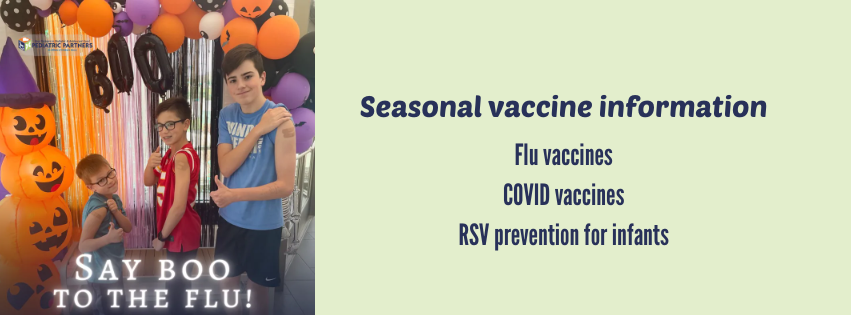
Seasonal vaccine information poster with Halloween decorations and three children in showing off their band aides after vaccines

Seasonal Vaccines: What Families Need to Know


We have begun administering flu and COVID vaccines for the season, and RSV protection (Beyfortus) will be available for eligible infants starting October 1.


Patients who do not have insurance or have Medicaid will be using VFC supplied vaccines. These are separate from the vaccine supply we purchase for those with commercial insurance. The vaccines are of equal quality, the only difference is how we get the vaccine. Availability of the vaccine supplies will vary based on insurance due to this. We are not allowed to "share" vaccine between VFC and private stock. Your local health department or pharmacy are other locations to get vaccinated if we are out of stock and you want to get your child protected.


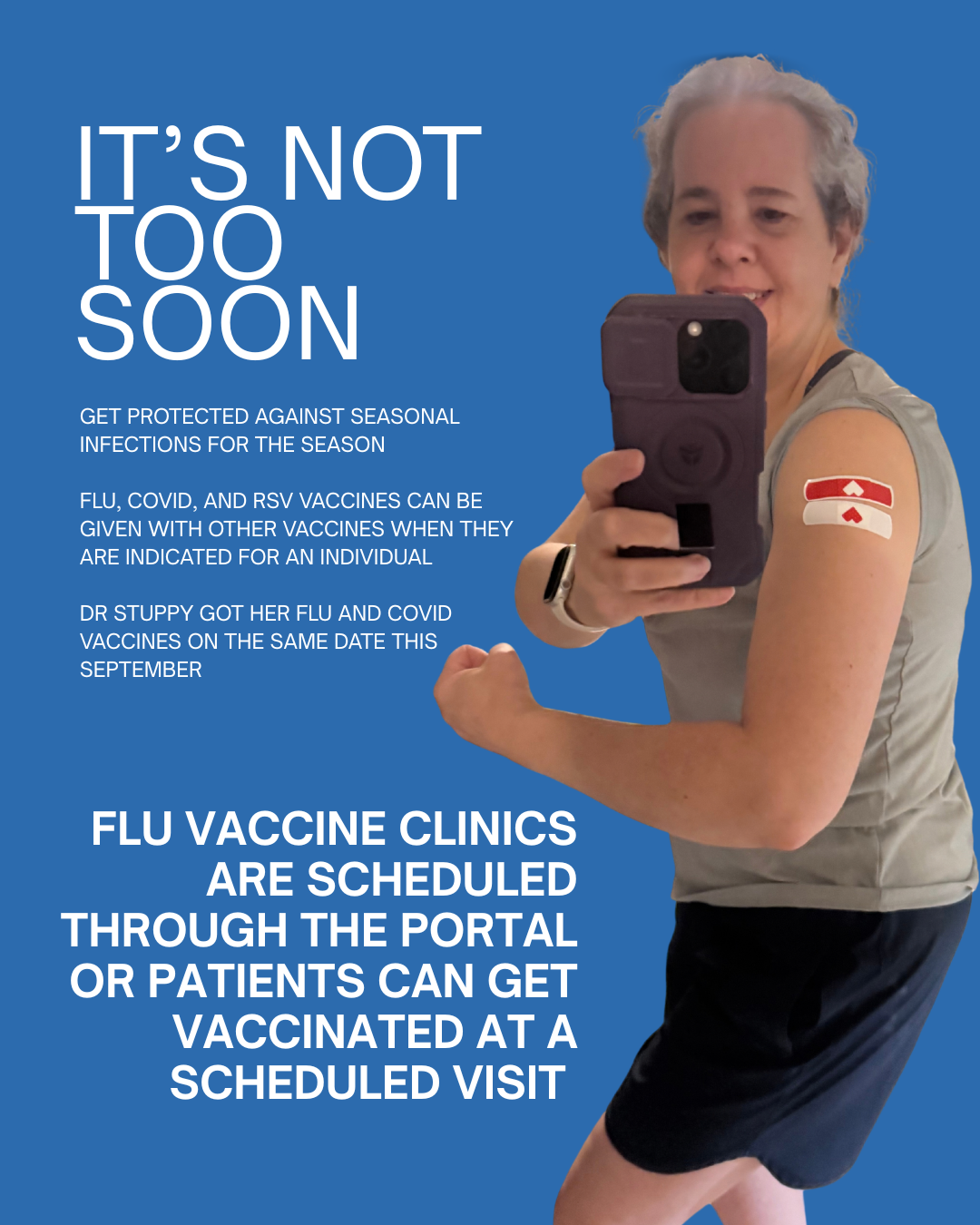
Flu vaccine clinic poster with Dr Stuppy taking a selfie showing two band aids on her upper arm, blue background, and text reminding people to get seasonal vaccines.

Flu Vaccines


We currently offer both:

  • Injectable flu vaccine for children 6 months and older
  • FluMist for children 2 years and older


Flu vaccines can be given during any regularly scheduled visit for eligible patients and their family members. If parents or siblings would like to receive a flu vaccine at the same appointment, please let our staff know at check‑in so we can prepare.


Delivery of flu vaccine has been limited, so we are not currently able to vaccinate parents or hold early flu vaccine clinics as expected. We expect more to come, but do not know delivery dates.


Flu vaccine clinic dates will be announced through Phreesia text messages, and all scheduling will occur through your child’s patient portal.


COVID Vaccines*


  • Children under 12 years: COVID vaccines will be available at scheduled office visits for eligible patients.
  • Patients 12 and older: We recommend this vaccine for any family that desires it, but vaccination will need to occur at a pharmacy or the health department, as demand in this age group has been very low in recent years and most families prefer those locations.


RSV Protection (Beyfortus)*


Beyfortus, a single‑dose monoclonal antibody that helps protect infants from serious RSV lung infections, will be offered to:

  • Babies under 8 months of age, and
  • High‑risk infants and toddlers, if they meet eligibility criteria.


*Insurance and Waivers


Because insurance coverage is not guaranteed for non‑required vaccines, we are again asking families who choose COVID or RSV protection to sign a waiver acknowledging responsibility for the cost if insurance does not cover it. This helps ensure we can continue offering these vaccines without significant financial loss.


This is not applicable to those who use VFC stock, since those vaccines are purchased through VFC and are fully covered.


Check Beyfortus coverage before you come in


You can check with your insurance company to see if they cover Beyfortus and what your out of pocket cost will be. You can ask about coverage for the codes that apply to your baby.


There are two codes associated with each vaccine because medical billing splits charges into two independent parts: the cost of the medicine itself (the product) and the administration (the medical expertise, labor, and specialized infrastructure required to safely deliver that medicine).


CPT Codes (the product)

  • 90380: 0.5 mL dosage (for infants under 11 lbs)
  • 90381: 1.0 mL dosage (for infants 11 lbs and over. High-risk second-season patients may require 2 mL)


Administration Codes (the professional service)

  • 96380: Administration by intramuscular injection, with counseling by a physician or other qualified health care professional.


Coverage From Last Season


To help families understand typical coverage, here are details of how many vaccines we gave and what families were responsible to cover:


COVID Vaccines (220 given)

  • 1 patient had to pay for the vaccine itself (a BCBS plan; most BCBS plans did cover it).
  • 37 families paid all or part of the administration fee, usually $20–$30.


Beyfortus (209 given)

  • 2 patients had to pay for the injection (both BCBS of KC; many other BCBS plans covered it fully).
  • 207 injections were fully covered.
  • 5 families paid all or part of the administration fee, ranging $5–$35.


We encourage you to ask your insurance company in advance if you are interested in one of these vaccines for your child but are concerned about coverage. We do not know details of any individual plan.


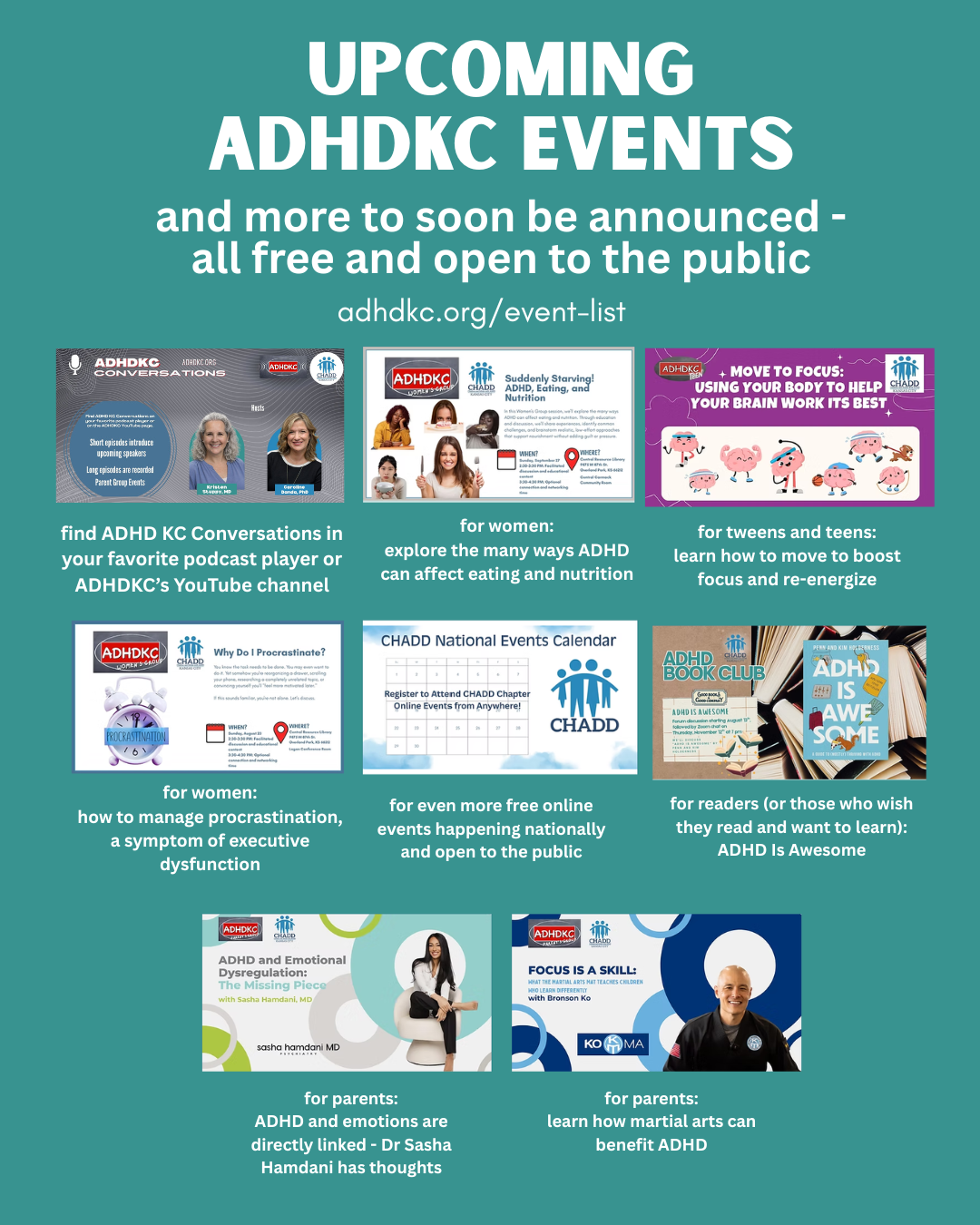
Learn About Free Community Events from the KC CHADD Chapter

Founded in 2012, ADHDKC is Kansas City’s Award Winning Non-Profit CHADD Chapter. ADHDKC provides support for thousands of area families thriving with ADHD and related conditions. Every month ADHDKC sponsors events online and around the KC Metro to help parents, adults, and adolescents learn how to regulate emotions, better manage executive functioning, and more. 


Since ADHD affects about one in 9 kids, we know many of you live with the challenges of having ADHD in the home. The good news is that you can learn to better support your kids. ADHDKC offers monthly events for parents, adults, and teens to help you learn to thrive with ADHD. 


Dr Stuppy always likes to see new faces in the parent and teen groups. 


The next Parent Group event will be fabulous! Dr. Sasha Hamdani will talk about emotions and ADHD. If you don't know her, she is a local psychiatrist, author, and social media influencer who shares reliable information about ADHD. Check out the ADHDKC Conversations podcast episode that introduced her from the button below and sign up to hear her October talk from the Events Page.


ADHDKCTeen is for middle and high schoolers who want to learn skills to navigate life with ADHD, but youth without ADHD can often find tools that help them too. They meet the first Tuesday of the month at 5:30 pm online for an interactive learning session that motivates youth to take control of their lives. A diagnosis of ADHD is not needed to join us. In October we'll be talking about ways you can move to help boost energy and focus. This will go beyond the typical advice to exercise.


All ADHDKC Events are free and open to the public. No diagnosis is required! You just need an interest in the topic to join us.  Feel free to share this with friends and family who would benefit. 


If you enjoyed this edition of Growing Together with Pediatric Partners, share it with a friend.

Share