Back to School…Now What? Find your rhythm.

Blue

September 10, 2026


Back to School…Now What?


Helping your family find its rhythm when school, sickness, and everyday life collide


School is back - how is it going?


After the summer break, most days families are getting back into the routine of getting everyone up and ready to be out the door on time for kids to get to school. We've already seen several kids need to stay home due to illness, and of course schools have already had shortened weeks due to  planned days off, so getting into a reliable routine can be even more challenging.


In this edition of Growing Together, we’ll talk about juggling work when kids are home from school, deciding when they need to stay home sick, and why meltdowns might be happening after school. We'll also give tips to manage screen time and answer a parent question submitted in the last edition's survey. You can submit your questions and suggested topics from first button below this top section.


Here’s what’s inside:


This newsletter is for you, so I’d love to know what you want to see next. If there’s a topic you’ve been wondering about, or something you’d like explained more clearly, let me know. Your suggestions guide future editions and keep me inspired when I’m staring at a blank page. Use the button to let us know what you want to read about in future editions of this blog.


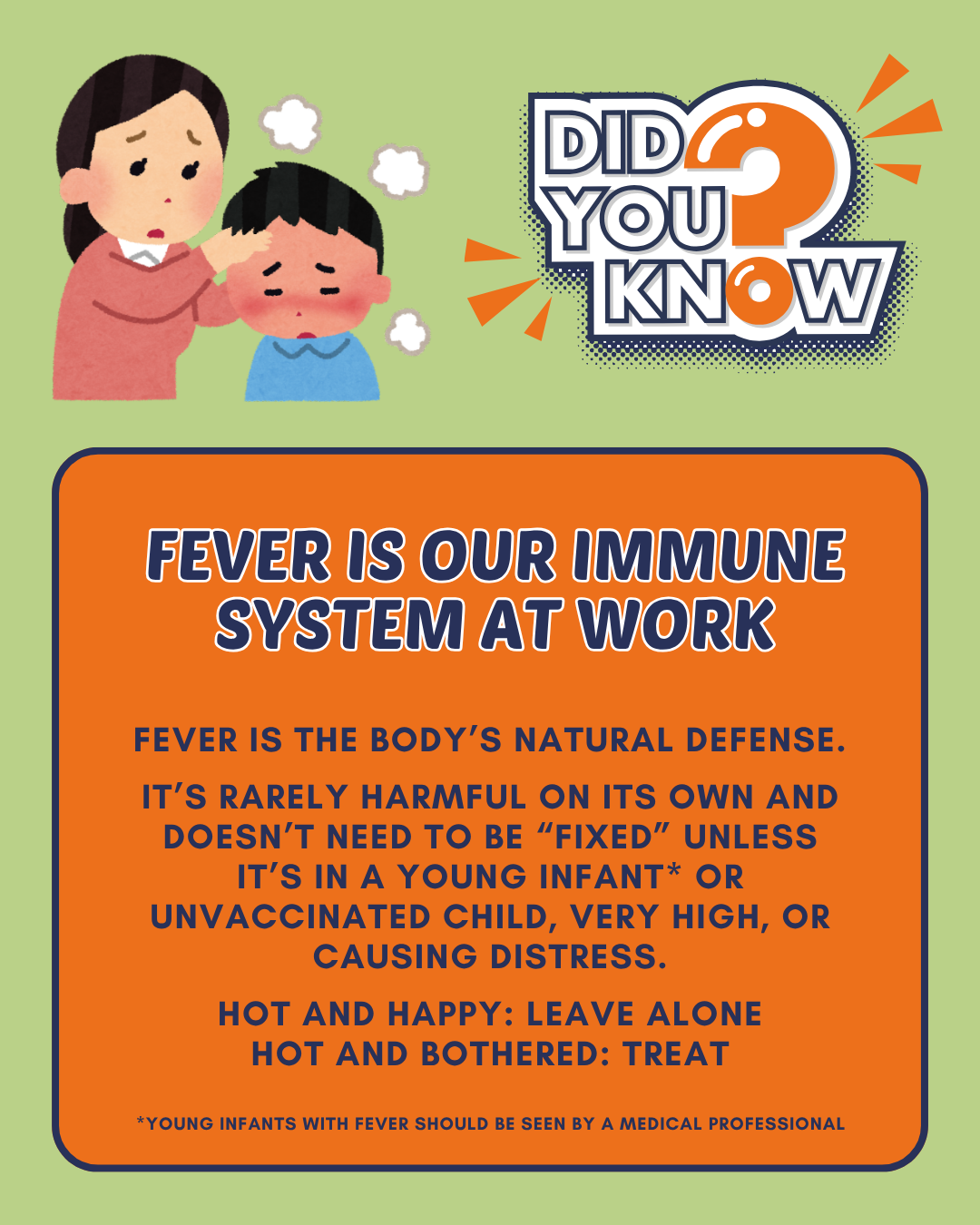
Infographic: “Fever is our immune system at work” with child illustration and orange text box.

Hot and Happy or Hot and Bothered?


This is the time of year when we get lots of questions about fever. Young children tend to get fevers more often than older kids, and some viruses—like influenza, enteroviruses, and adenoviruses—can cause particularly high temperatures.


But the number on the thermometer doesn't tell you how serious the situation is. How your child looks and acts matters more.


Fever is scary—but usually not dangerous.


Parents often worry about fever seizures or brain damage and ask, “How high is too high?”


There is no magic temperature that tells us a child is seriously ill. A fever is a normal immune response to infection, and most childhood fevers are caused by viruses that improve within 3–5 days.


Pay attention to your child, not just the thermometer. A child who is dehydrated, shows signs of trouble breathing, has painful urination or blood in the urine, or is in extreme pain needs medical attention regardless of the temperature.


Fever is uncomfortable.


Fever can cause body aches, headache, chills, sweating, fatigue, a flushed face, faster breathing, and a pounding heart. Fever reducers are for comfort, not to get the temperature back to normal. Remember that fever is the immune system at work. Don't try to break the fever if your child is comfortable. Let the fever do its job.


If your child is miserable, use the appropriate fever reducer based on their weight and focus on helping them feel better.

Fever can decrease appetite.


Don't worry if your child doesn't want to eat for a few days. Fluids are more important than food.


Encourage water and other fluids to prevent dehydration. Most kids make up for lost calories once they feel better.


Fever is inconvenient.


We all have places we'd rather be: school, work, parties, recitals, games and tournaments.


Unfortunately, giving a fever reducer doesn't make an infectious illness stop being contagious.


Keep kids home when they have a fever. Generally, they can return to school or daycare after being fever-free for 24 hours without fever-reducing medicine.


Good handwashing, covering coughs and sneezes, filtering and ventilating the air, and avoiding close contact with others can help prevent the rest of the family from getting sick. When appropriate, masking can also reduce respiratory virus spread.


Fever is most common at night.


It can be frustrating when a child seems relatively okay during the day but feels much worse overnight. Changes in the body's hormones and immune response can make symptoms more noticeable at night.


Unfortunately, it can mean less sleep for everyone. But that's typical and common. Expect it.


Some children need more attention.


Fever can be more serious in infants under 3 months and children who are immunocompromised.


Any infant under 3 months or immunocompromised kids with a temperature over 100.4°F (38°C) needs prompt medical evaluation. Don't wait to see how high the fever gets.


What should you do?


  • Keep a fever reducer at home and know the correct dose for your child's weight.
  • Treat the child, not the thermometer—use medicine for comfort.
  • Encourage plenty of fluids.
  • Let your child rest.
  • Stay home while feverish and until fever-free for 24 hours without medication.
  • Bring your child in to see us if the fever lasts more than 3–5 days, has signs that there may be a treatable condition, such as Strep throat, a urinary tract infection, an ear infection, or walking pneumonia.
  • If your child is dehydrated, has trouble breathing, is in extreme pain, or simply isn't acting right, call us to see where the most appropriate place for evaluation is.
  • For healthy, immunized children over 3 months, don't chase a specific temperature. Look at your child, not just the thermometer.
  • For more tips on managing symptoms, visit the many resources on our website.

Health poster asking when a sick child should stay home from school, with sick child photos on a green background

“Do I really have to keep my child home?”


School means the return of coughs, runny noses, stomach bugs and fevers. Yes, kids tend to be sick a lot, often 8-12 times a year - and mostly during the next several months. Knowing when to keep a child home from school can feel challenging.


The balance of keeping kids home to let them rest and to help stop spread of the illness in the classroom versus answering to the attendance office as they warn of too many absences leading to consequences is hard. We want to help you decide when they should stay home, when they can return to school, and when it's best to have them evaluated to help with their medical care.


Of course, staying up to date on all vaccines, including seasonal vaccines, can help prevent significant infections, leading to fewer missed school and work days. We're planning several flu vaccine clinics this Fall. Scheduling these is done through the portal. RSV and COVID vaccines will be given during scheduled visits to eligible patients.

Keep your child home if they have:


  • Fever of 100.4°F or higher — they should stay home until fever‑free for 24 hours without medication.
  • Vomiting or diarrhea — return once they’ve gone 24 hours without symptoms and are eating/drinking normally.
  • Severe sore throat, especially with fever or swollen glands — may need evaluation for strep.
  • Persistent cough that disrupts sleep, breathing, or classroom participation.
  • Eye drainage with redness and discomfort.
  • A rash that is spreading, painful, or accompanied by fever.


They can return to school when:

  • Symptoms are improving, and they can participate comfortably in normal activities.
  • They’ve been fever‑free for 24 hours without medication.
  • Vomiting/diarrhea have resolved for 24 hours.
  • Any contagious condition (like strep throat or pink eye) has been treated long enough to no longer be infectious — typically 24 hours after starting antibiotics, if prescribed.


wHEN should you Bring your child for medical care?


Bring them to our office to get evaluated if:

  • Fever lasting more than 3 days - or any fever in an undervaccinated child or infant under 3 months
  • Ear pain, especially with nighttime waking or new drainage
  • Sore throat with fever, swollen glands, or difficulty swallowing
  • Cough lasting more than 10–14 days, or worsening instead of improving
  • Signs of dehydration (dry mouth, fewer wet diapers/voids, no tears)
  • A rash that is painful, blistering, or spreading quickly
  • Any symptom that’s keeping your child from eating, drinking, sleeping, or participating in daily routines


We offer same day sick appointments and walk in clinics six days a week. You can call during office hours to schedule, or you can use the portal to schedule. We have a few sick visits available in the portal to use for acute illnesses, but if all are full, please call to schedule or use our walk in clinic.


Please note: Neither portal scheduled sick visits or our walk in clinic should be used for chronic condition management or mental health. Those visits should be managed by your primary care provider and have a different workflow than acute sick visits.


When should you seek urgent/emergent care


Our office can manage some of these conditions, but it's best to call us first during office hours to make sure it's not beyond our level of care.


After hours you can call our triage service for guidance or go to the nearest urgent care or emergency department, one designed for kids if possible if your child is under 18 years of age.


If Your Child Has These Symptoms: Call Us for Guidance of Where to Go

  • Trouble breathing, rapid breathing, or using extra muscles to breathe
  • Severe abdominal pain
  • Signs of dehydration
  • Head injury with vomiting, severe headache, confusion, or concerning behavior
  • Signs of an allergic reaction — swelling of lips/face, difficulty swallowing, or breathing changes
  • A stiff neck, unusual sleepiness, or difficulty waking
  • Injury with skin gaping open that may require repair
  • Suspected broken bones
  • Any symptom that feels sudden, severe, or “not like your child”

Blue “Survey Follow Up” banner with a smartphone and message icon at the right

parent SURVEY FOLLOW UP:


We have had three submissions to our survey since the last newsletter and blog. They will each be covered below.


  1. If a heart screening has been done previously in a child and it was normal, for an active child, how often would that be recommended?
  2. COVID vaccine recommendations this year.
  3. Fall time reminder promoting sun protection all year around if outdoors no matter what the temperature outside is.


If a heart screening has been done previously in a child and it was normal, for an active child, how often would that be recommended?


Our last newsletter announced another heart screening offered at our Overland Park location through My Heart Check. A parent asked how often this should be repeated if it was found to be normal. That's a great question, and the answer is a bit nuanced.


First, the United States does not have any standard guidelines for this type of screen at all. The American College of Cardiology (ACC) and the American Heart Association (AHA) have stated that adding a resting 12-lead electrocardiogram (ECG) to the history and physical examination is "reasonable" for preparticipation cardiac screening of competitive athletes, but they do not recommend universal ECG screening or specify an interval at which these should be done. They also do not recommend echocardiograms (ECHOs) to screen for heart abnormalities.


The European consensus suggests repeating screening (history, family history, physical exam, resting 12-lead ECG) every 2 years until age 16 in healthy athletes. After 16 they use adult guidelines. This recommendation is based on the fact that a 14-point history (which is in all the questions asked at sports physicals) alone has poor sensitivity (only catching 10%–20% heart conditions), and adding an ECG raises sensitivity to over 90%. There is a risk of initial testing having false positives, which can lead to anxiety and increased cost of further testing (though they have universal healthcare in Europe).


ECG does not find all abnormalities, which is why ECHO is offered with these heart screenings. Echocardiograms are images of the beating heart, so it can view the chambers, blood flow, and heart valves to look at the structure and function of the heart.


Even with normal findings, a normal result of the ECHO and ECG today does not guarantee the heart will stay problem-free, especially if the initial testing is done before puberty. Some inherited heart conditions do not show up until later — often during the teenage years and puberty, as the body changes. The company who performs the heart screens recommends all 8-12 year olds have a repeat screening in the teen years.


What cautious follow-up could look like

  • Annual physical exam and 14-point questions of personal and family history.
  • Repeat screening every 2 years with the above and another ECG.
  • A repeat echocardiogram is usually NOT needed on a regular schedule. In most cases the ECHO is a one-time test. It is only repeated if there is a new symptom, a new finding on the exam or ECG, or new heart problems discovered in the family.


Update the family history at each visit

Tell your doctor if any blood relative develops a heart condition or if anyone in the family dies suddenly or unexpectedly, especially before age 40. This new information can change what screening your child needs.


Warning signs — do not wait for the next scheduled check

Contact your child's doctor promptly, and seek urgent care for severe symptoms, if your child has any of these — especially during or right after exercise:

  • Fainting or nearly fainting
  • Chest pain or chest tightness
  • Racing, pounding, or skipping heartbeats (palpitations)
  • Unusual shortness of breath or getting tired much faster than teammates
  • A sudden, unexplained drop in athletic performance


An important safety point

No heart screening is perfect. Rarely, a serious heart problem can still occur even after normal tests. Because of this, it is worth knowing whether your child's school or sports team has an emergency plan — including coaches trained in CPR and a defibrillator (AED) that is easy to reach quickly.


The bottom line

A normal ECG and ECHO are genuinely good news. The plan going forward is simple: keep up with recommended repeat check-ups, share any new family heart history, and speak up right away about warning signs — especially those tied to exercise.


COVID Vaccine Recommendations


It’s seasonal vaccine time, and we know there is still a lot of confusion and misunderstanding surrounding COVID vaccines. It’s understandable that one of the survey questions asks about our recommendations for this Fall.


We will have COVID vaccines available for infants and children under 12 years of age, and we recommend vaccination for these age groups based on the information outlined below.


For adolescents, most families now choose to receive COVID vaccines at local pharmacies, and demand in our office has been very low in recent years. Although we continue to recommend vaccination for adolescents who are at higher risk or who prefer to be vaccinated, we no longer stock the vaccine for this age group due to consistently low utilization.


Who SHOULD receive the COVID vaccine?


  • All children age 6 months through age 23 months, since they are at high risk for severe COVID and hospitalization.
  • Children and teens age 2 years through 18 years with these risk factors:
  • Health conditions that increase their risk of severe COVID
  • Obesity - defined as BMI greater than the 95th percentile for age. Find your child's BMI in their portal chart.
  • Conditions that affect the immune system
  • Sickle cell disease
  • Heart disease or congenital heart conditions
  • Lung disease (including asthma)
  • Diabetes
  • Neurodevelopmental disorders such as cerebral palsy
  • ​Chronic kidney disease
  • Complex medical conditions, including some that require breathing or feeding tubes, or home ventilators.
  • Living in long-term care facilities or other group settings
  • Never vaccinated against COVID
  • Having household contacts who are at high risk for severe COVID


Who CAN receive the COVID vaccine?


Children age 2 through 18 years without risk factors but wanting a booster vaccine.


sunsreen in the shape of the sun on a child's back

Sunscreen: What should you choose and when should you use it?


One survey suggestion was simply to remind people that sunscreen isn't just for summer months, so this is a great time to let everyone know that there’s some exciting sunscreen news! 


The FDA recently added bemotrizinol, the first new sunscreen active ingredient permitted in the U.S. in about 20 years. It expands our options, but you don’t need to wait for a sunscreen containing it—the sunscreens already available work well when used correctly. 


When choosing sunscreen, keep it simple:

- Look for broad-spectrum — protects against both UVA and UVB rays.

- Choose SPF 30 or higher for routine outdoor use. Higher SPF doesn't mean you can apply less or stay outside longer. 

- Water-resistant is helpful for swimming, sweating, or sports. Reapply as directed, especially after swimming or toweling off.

- For babies and sensitive skin, mineral sunscreens containing zinc oxide or titanium dioxide are great options. 

- Don't save sunscreen for summer! UV exposure happens year-round—even on cloudy days and during winter. Make sunscreen part of your outdoor routine in every season.


And remember: sunscreen is just one part of sun protection. Shade, hats, sunglasses, and protective clothing all help, too.


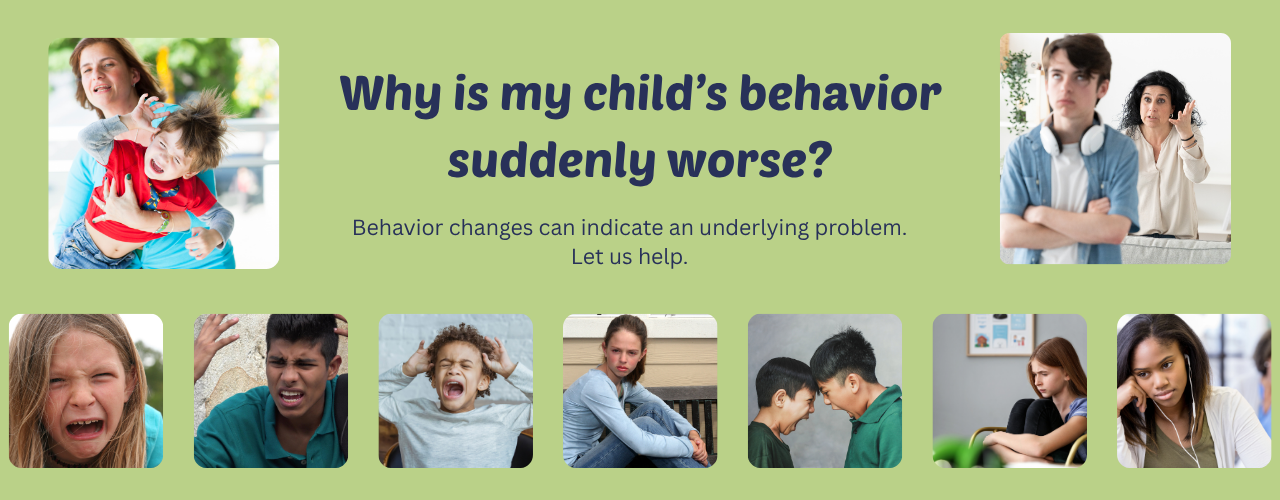
title “Why is my child’s behavior suddenly worse?” and photos of children and teens showing upset emotions

“Why is my child's behavior so much worse?”


School takes a lot out of kids. Holding it together all day, following directions, navigating friendships, managing sensory input, and keeping track of belongings can leave children with very little energy for self-control when they get home.


So if your child seems fine at school but falls apart the minute they walk through the door, you’re not imagining it—and it doesn’t necessarily mean they're “choosing” to misbehave.


The after-school meltdown is real


By the end of the school day, kids may be hungry, tired, overstimulated, and out of coping strategies. The expectations that seemed manageable in the morning can feel impossible now.


For children who have to work hard to do all the expected behaviors at school, they are spent by the time they get home. They don't have any energy left to continue to be at their best behavior.


Once in a while, we can all experience this end-of-day exhaustion, but if it's happening regularly, it can signify an underlying problem.


What can help?


Instead of jumping straight into homework, chores, questions, or corrections, consider giving your child a predictable decompression period after school.


Try:

  • Food: Offer a protein-rich snack and water soon after getting home.
  • Downtime: Give them some quiet, low-demand time to reset.
  • Reduce stimulation: Some children need a quieter environment after a busy school day.
  • Movement: A walk, playing outside, or another favorite physical activity can help release stress.
  • Keep expectations predictable: Knowing what happens after school can reduce the need to make decisions when their brain is already tired.


And remember: connection often needs to come before correction. A child who is overwhelmed may not be able to respond well to another lecture, demand, or consequence. Help them regulate first, then address the behavior when everyone is calmer.


When behavior feels bigger than typical after-school exhaustion


Frequent or intense meltdowns deserve attention, especially when they interfere with family life, friendships, school, sleep, or your child's ability to function. Behavior can sometimes be a sign that a child is struggling with ADHD, anxiety, learning difficulties, sensory challenges, sleep problems, or other concerns.


You don't have to figure it out alone.


  • Your primary care provider can help identify underlying medical concerns. Don't wait for your annual well visit to discuss worrisome behaviors. They deserve their own time and attention at a dedicated visit.
  • Our clinical social worker can help families work through parenting and behavior-management concerns, identify strategies that fit your child's needs, and help assess whether there may be an underlying issue contributing to challenging behaviors.


Call our office to schedule a visit to discuss behavior challenges with your primary care provider or social worker, Sean.


Sometimes the question isn't “How do we get our child to behave better?” but rather “What is making this so hard for them right now?” Finding that answer can make a big difference.


“Building a ‘No-Surprises’ Family Calendar” with photos of family activities on a green background

Building a “No‑Surprises” Family Calendar


Parents need to juggle personal, work, and family calendars. With all the activities, days off school, and appointments, it can be challenging to keep it all straight. The school year runs smoother when your calendar is a frequently updated and reviewed tool, not something you check only when chaos hits. A few minutes of planning each week can prevent hours of stress and costs later.


The Cost of a Missed Event

  • Money in fees for missed appointments
  • Embarrassment at forgetting an important meeting or event
  • Stress of running late or missing deadlines
  • Lost opportunity when a deadline has passed

vs

  • 30 seconds entering appointments and tasks into a calendar correctly and building time into each day to use the calendar

Suddenly the system seems worth it when you consider these options.

We frequently see families miss appointments because of an unrecognized conflict and we know that many parents struggle with coordinating all the family events and deadlines.


The good news is there are strategies that take minimal time and offer a lot of benefits for all your family activities to minimize the chaos.


1. Load your calendar with everything that impacts your family


Parents often rely on school and appointment reminders, but those are just reminders. The real power comes from proactively adding key dates to your calendar:

  • School holidays & breaks
  • Teacher in‑service / professional development days
  • Early release days
  • Class parties & performances
  • Big tests, finals, and project due dates
  • Parent–teacher conferences
  • Sports schedules, club meetings, rehearsals
  • School supply drop-off days, picture day, spirit weeks
  • Transportation changes (late bus days, carpool rotations)
  • Anything that affects pickup, drop-off, or family logistics
  • Medical, dental, hair, and other appointments


Even though dates may shift, having them visible helps you avoid overscheduling and gives you time to adjust when changes happen. When adding them, look for potential conflicts and things that need to be adjusted to make it work.


2. Weekly & Daily Habits That Prevent Last-Minute Panic


Weekly Check-In (5 minutes) - Do this once a week—Sunday evening works well:

  • Look at the week ahead for conflicts, double-bookings, or days that need prep.
  • Scan the month ahead for big events creeping up (projects, holidays, tournaments).
  • Adjust appointments or commitments before they become problems. Put needed changes on your To-Do list and do what needs to be done to remove the conflict.


Daily Check-In (30 seconds) - Each morning and/or the night before:

  • Review the day ahead to reaffirm what’s coming.
  • Note anything that needs to be packed, signed, or prepped.


These tiny habits save families from forgotten spirit days, missing supplies, or scrambling to rearrange schedules.


3. Family Calendar Systems That Actually Work


Make the calendar visible to everyone

  • A large printed calendar in the kitchen or mudroom
  • A shared Google Calendar or Apple Calendar
  • A family calendar app (Cozi, TimeTree, FamCal)

Kids can’t follow a schedule they never see. Parents won't know a teen's work schedule if they don't share it.


Teach tweens & teens to use their own planner

This builds independence and reduces the “Mom, I forgot…” moments.

  • Show them how to write down project due dates the day they’re assigned
  • Help them break big tasks into smaller steps
  • Encourage them to share major deadlines with you early
  • Model how you use your own calendar—they learn by watching


Create a “Supply Alert” habit

Identify a way for kids to share with you materials they need for projects the day they are made aware of them. Pair this with:

  • A shared note or checklist for school supplies if your child uses an electronic calendar
  • Ask your child to add this to their daily planner to review at home
  • A quick daily question: “Anything new assigned today?”


Color-code calendars for clarity

Use colors for:

  • Each child
  • School vs. sports vs. family events
  • High-priority items (tests, medical appointments)

Color-coding helps you see conflicts instantly.


Add buffer time

  • If pickup is at 3:30, block 3:15–4:00.
  • If a game starts at 6:00, block 5:30–7:30.

Buffers prevent accidental double-booking.


Set reminders intentionally

  • One reminder the day before
  • One reminder an hour before
  • Optional: a “prep reminder” (need snacks for soccer team and get poster board on your usual shopping day)


Keep a “Pending” list

For events not yet confirmed, keep a small section labeled Pending so you remember to add them once dates are finalized or add them when they are most likely to happen with a note clarifying it's not finalized and a reminder to check on it before that date.


The Big Picture


A well-managed calendar isn’t about perfection, it’s about reducing friction. When families know what’s coming, mornings are calmer, kids feel more prepared, and parents aren’t constantly reacting to surprises.


A few minutes of planning each week truly saves hours of stress later.



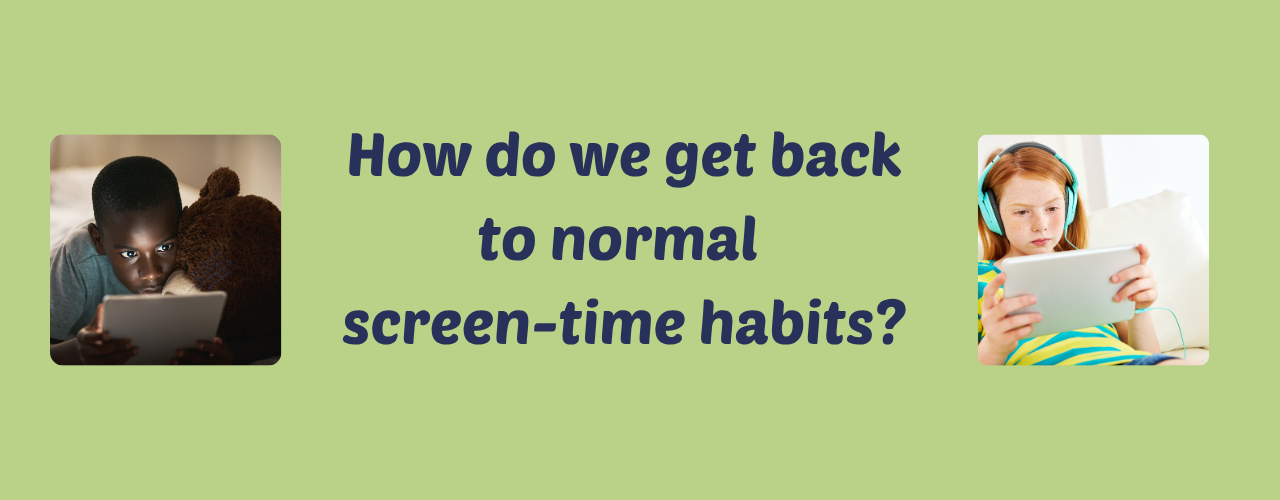
Banner asking, “How do we get back to normal screen-time habits?” with two children using devices

How do we get back to normal screen-time habits?


Over the summer kids often get to enjoy more screen time, but once school starts and their free time is shortened, it is important to put limits on screen time so they have time for other things. We no longer define recommended time on screens by the number of minutes per day, but rather how the screens are being used and if a child can control its use or if there are signs that the screen is in control.


Screens are not all bad, but we do know they are linked to poor sleep, obesity, worsening mental health, and decreased academic performance, so establishing ground rules for the entire family is important.


Devices are designed to keep us engaged. This is different from when I was a kid and we watched shows that had a defined time of 30 - 60 minutes. Now it's a series of games, social media posts, or videos. Even if we're looking at something that's not very interesting, our brain wants to keep watching because something better might come next. Your child's brain is waiting for the next reward and it's really hard to stop. That's not necessarily a problem with your child, it's the way the platforms are designed.


Sleep is one of the things that suffers when we're on our devices too much. It's important to understand that screens keep kids from sleep in many ways. When we spend time on a device, we often lose track of time, leaving less time for necessary tasks, which often leads to staying up late to complete them. If we're looking at a screen later in the evening, the light from the screen blocks the production of melatonin, which is important for sleep. Also, the interesting show or video, group texts, social media posts, or games all trigger the brain and make it hard to get to sleep if there's not a wind-down screen free time before bed. Once asleep, the brain may not move through healthy sleep cycles properly if it is overstimulated before bed, so the quality of sleep is decreased.


Many families find that it's too hard for kids to transition to another activity after screen time, so they don't allow screens at all during the school week. This is very effective because there are limited hours after school and asking kids to do other important things, whether it's homework and chores, going outside to get needed fresh air and exercise, or going to practice or rehearsal, keeps them busy until close to bedtime. And that is never a good time for screens.


Have a family meeting to talk about screen time. Collaboration with your kids can help everyone work together to set time management priorities. Talk about how we all need to balance the following things in our lives:

  • Brain - sleep, school, homework, downtime/brain rest
  • Body - food, showering, brushing teeth, moving/exercise
  • Social - family, friends, face-to-face time is always better than online chats
  • Life - hobbies, goals, activities, things they care about


The AAP's Family Media Plan can help you set goals and limits. Keep the conversation positive and frame it as having time for other enjoyable things, such as outdoor play, their favorite sport or craft, and spending time with friends in real life. Talk with kids about all the things they need and want to do, and how those things often get forgotten or left out if time is lost playing online. The cost of screen time isn't always the screen time itself. It's what gets squeezed out around it.


As with all things, modeling the behavior is important. Kids will do as you do, not as you say, so take a look at how you use your devices and try to limit use to specified times.


If your child is struggling with undesired behaviors related to screen time, such as sneaking devices when they are not supposed to be using them, having tantrums or anger outbursts when asked to get off, or are not able to balance the brain, body, social, and life activities due to lost time online, call to schedule an appointment with our behavioral health clinician, Sean. He can help you work through these challenges and support a healthier relationship with devices.


Manage your home with better strategies

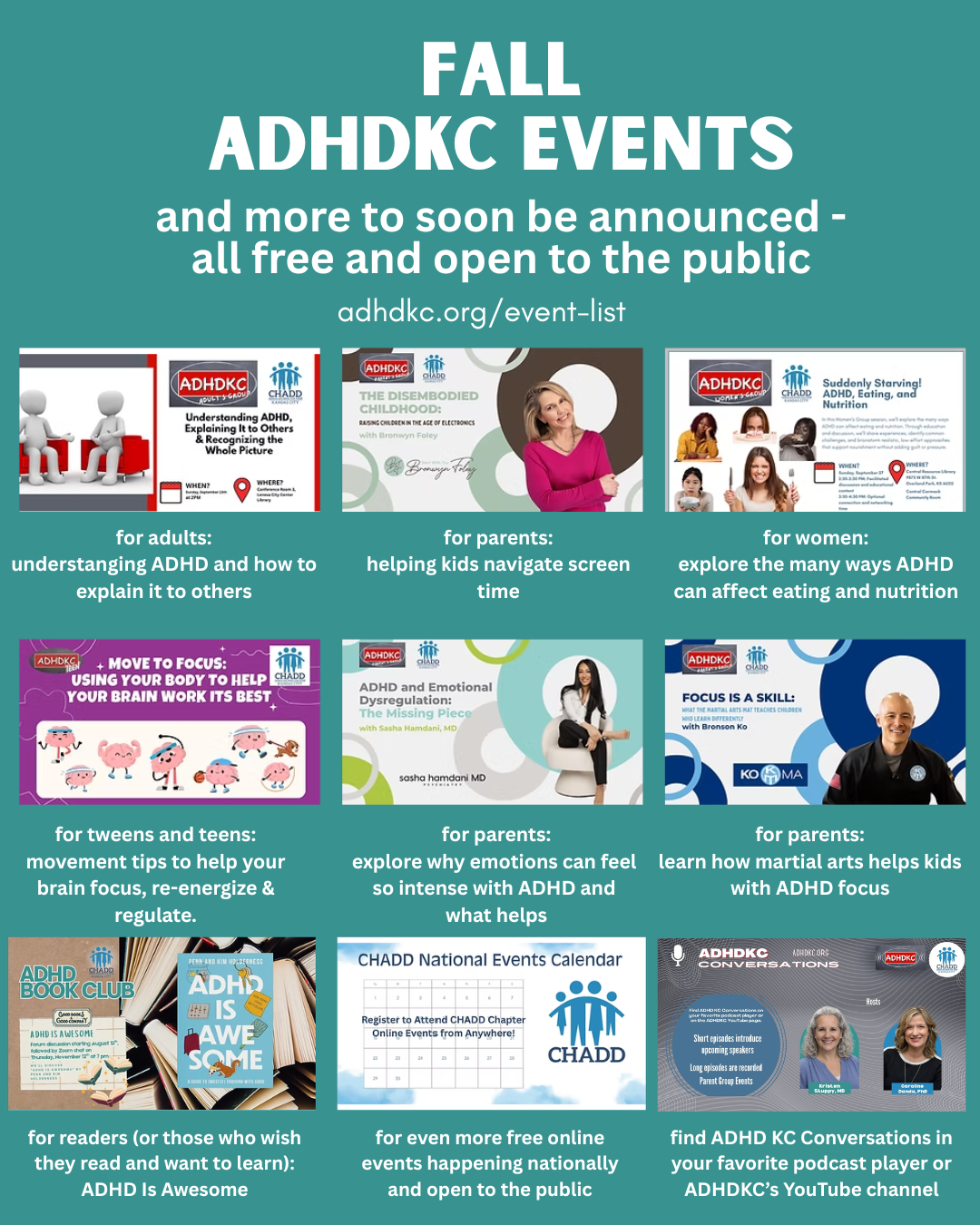
adhdkc fall events with screen shots of each event coming soon

Learn About Upcoming Free Community Events from Our Local CHADD Chapter


Founded in 2012, ADHDKC is Kansas City’s Award Winning Non-Profit CHADD Chapter. ADHDKC provides support for thousands of area families thriving with ADHD and related conditions. Every month ADHDKC sponsors events online and around the KC Metro to help parents, adults, and adolescents learn how to regulate emotions, better manage executive functioning, and more. 


Since ADHD affects about 6% of adults and 10% of kids, we know many of you live with the challenges of having ADHD in the home. The good news is that you can learn to better support your family. ADHDKC offers monthly events for parents, adults, and teens to help you learn to thrive with ADHD. 


ADHD KC Conversations is their podcast, which is shared on your favorite podcast player and in video form on YouTube. It offers a glimpse into upcoming parent group speakers with a short interview released a month prior to their talk and longer episodes of the parent group talks.


Dr Stuppy always likes to see new faces in the group for middle and high schoolers that she leads each month. They meet the first Tuesday of the month at 5:30 pm online for an interactive learning session that motivates youth to take control of their lives. A diagnosis of ADHD is not needed to join us. 


All ADHDKC Events are free and open to the public. No diagnosis is required! You just need an interest in the topic to join us.  Feel free to share this with friends and family who would benefit. 

Patient Testimonials


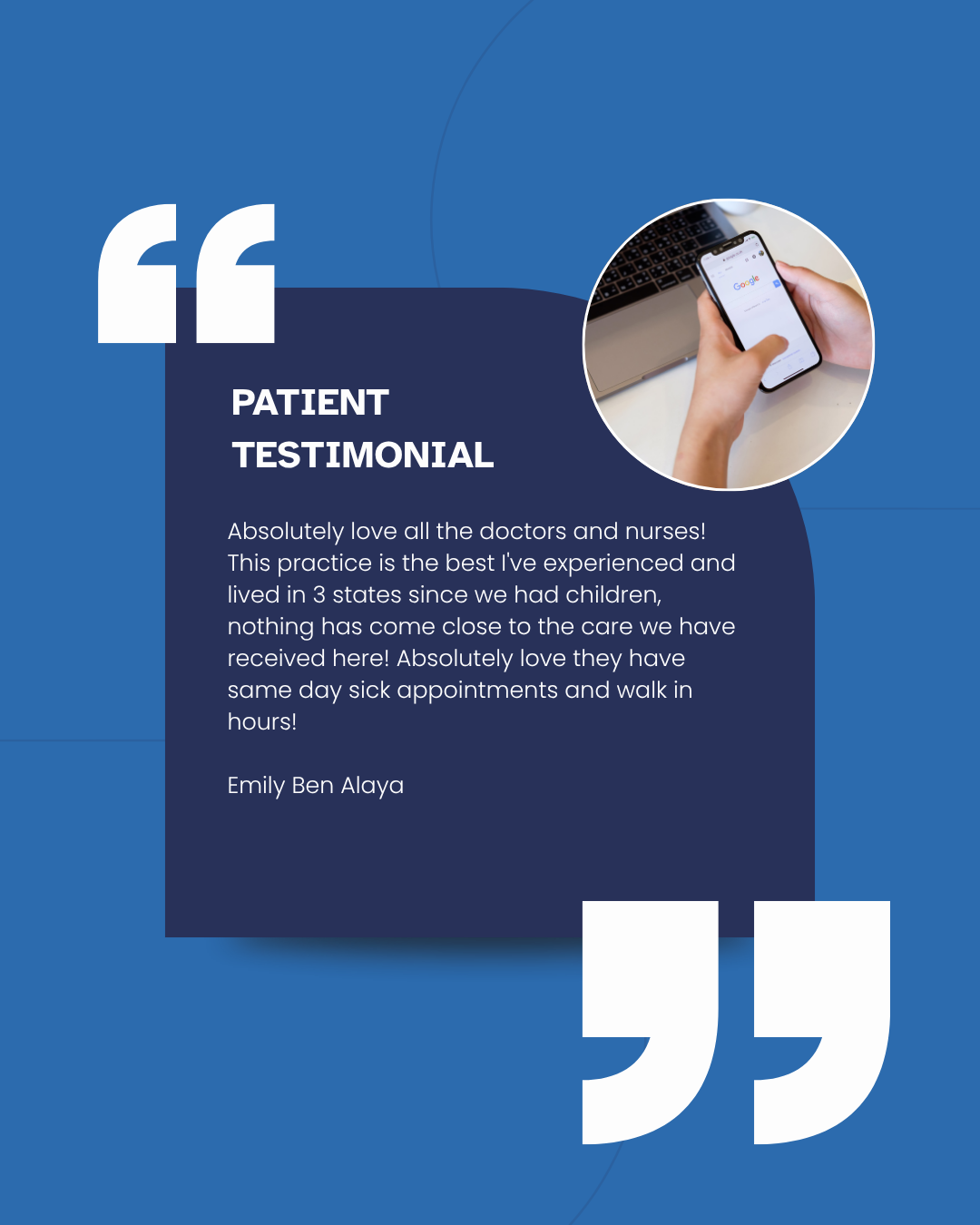
Blue testimonial graphic with a phone user photo, large white quotes, and a dark text box titled “PATENT TESTIMONIAL. Absolutely love all the doctors and nurses! This practice is the best I've experienced and lived in 3 states since we had children, nothing has come close to the care we have received here! Absolutely love they have same day sick appointments and walk in hours! Emily Ben Alaya”
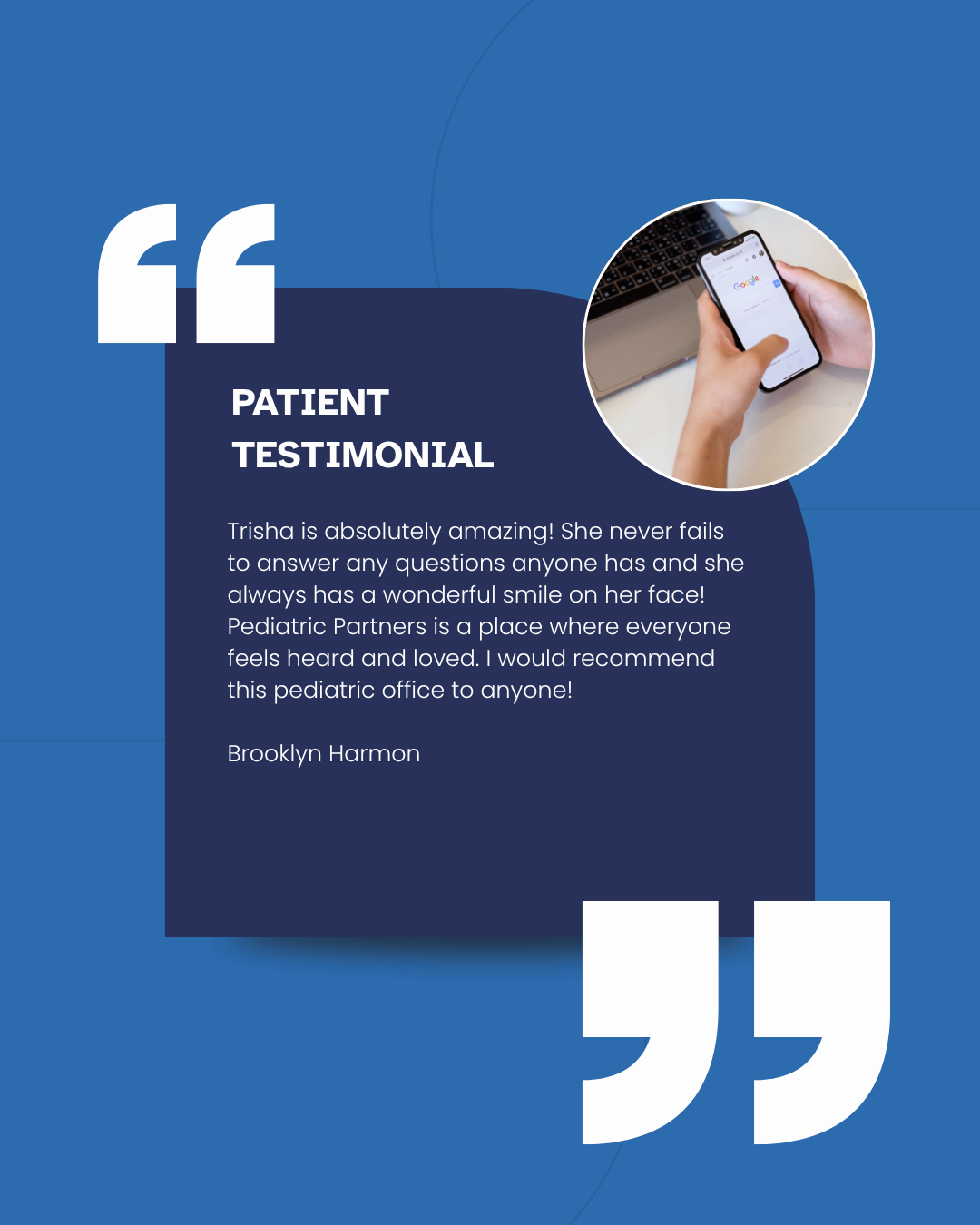
Blue testimonial quote card with white text and a circular photo of a hand holding a phone. Inside the quotes it reads patient testimonial. Trisha is absolutely amazing! She never fails to answer any questions anyone has and she always has a wonderful smile on her face! Pediatric Partners is a place where everyone feels heard and loved. I would recommend this pediatric office to anyone! Brooklyn Harmon
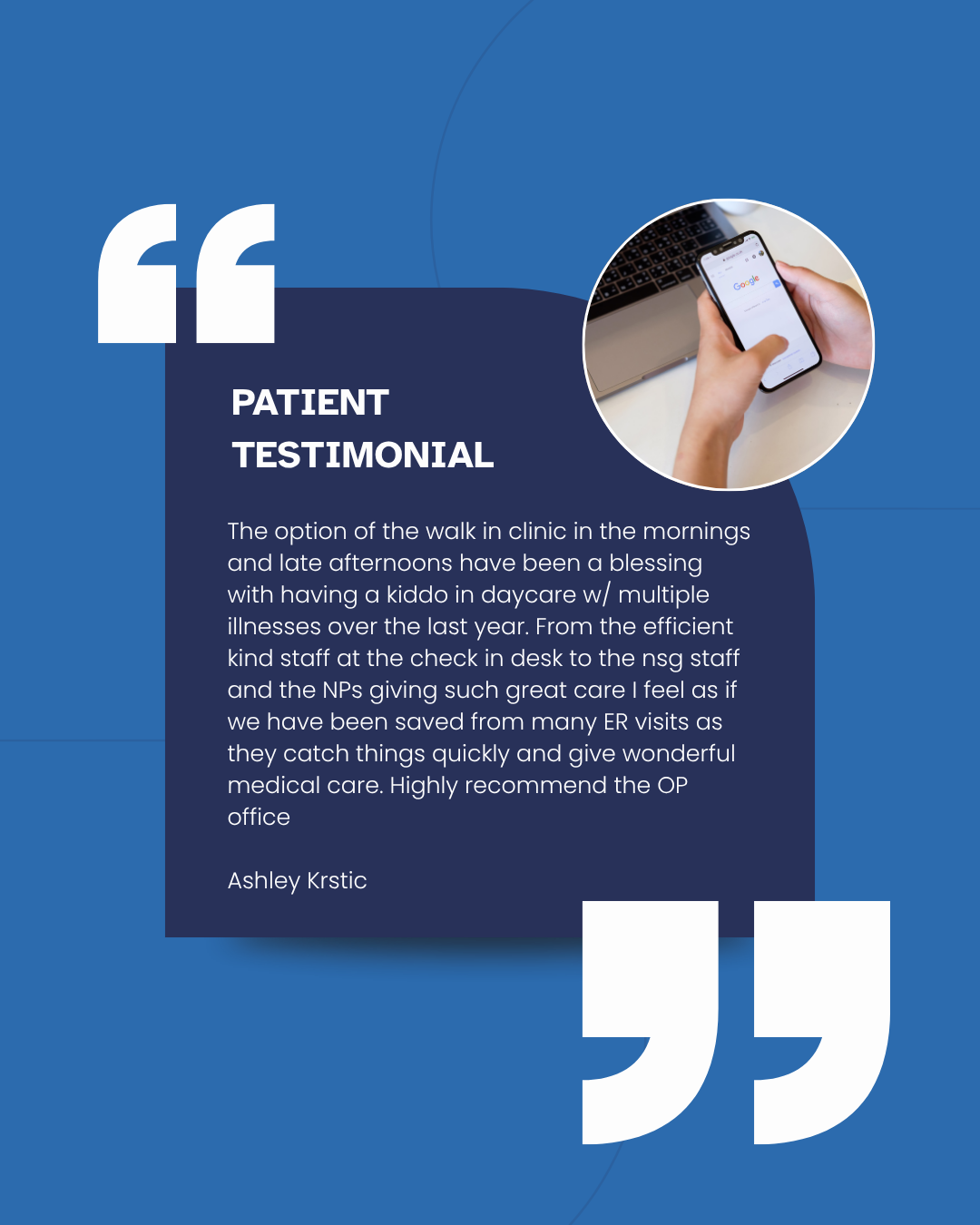
Blue patient testimonial card with white quotation marks and a small circular photo of a phone in hand. In the quote, it reads patient testimonial - The option of the walk in clinic in the mornings and late afternoons have been a blessing with having a kiddo in daycare w/ multiple illnesses over the last year. From the efficient kind staff at the check in desk to the nsg staff and the NPs giving such great care I feel as if we have been saved from many ER visits as they catch things quickly and give wonderful medical care. Highly recommend the OP office. Ashley Krstic
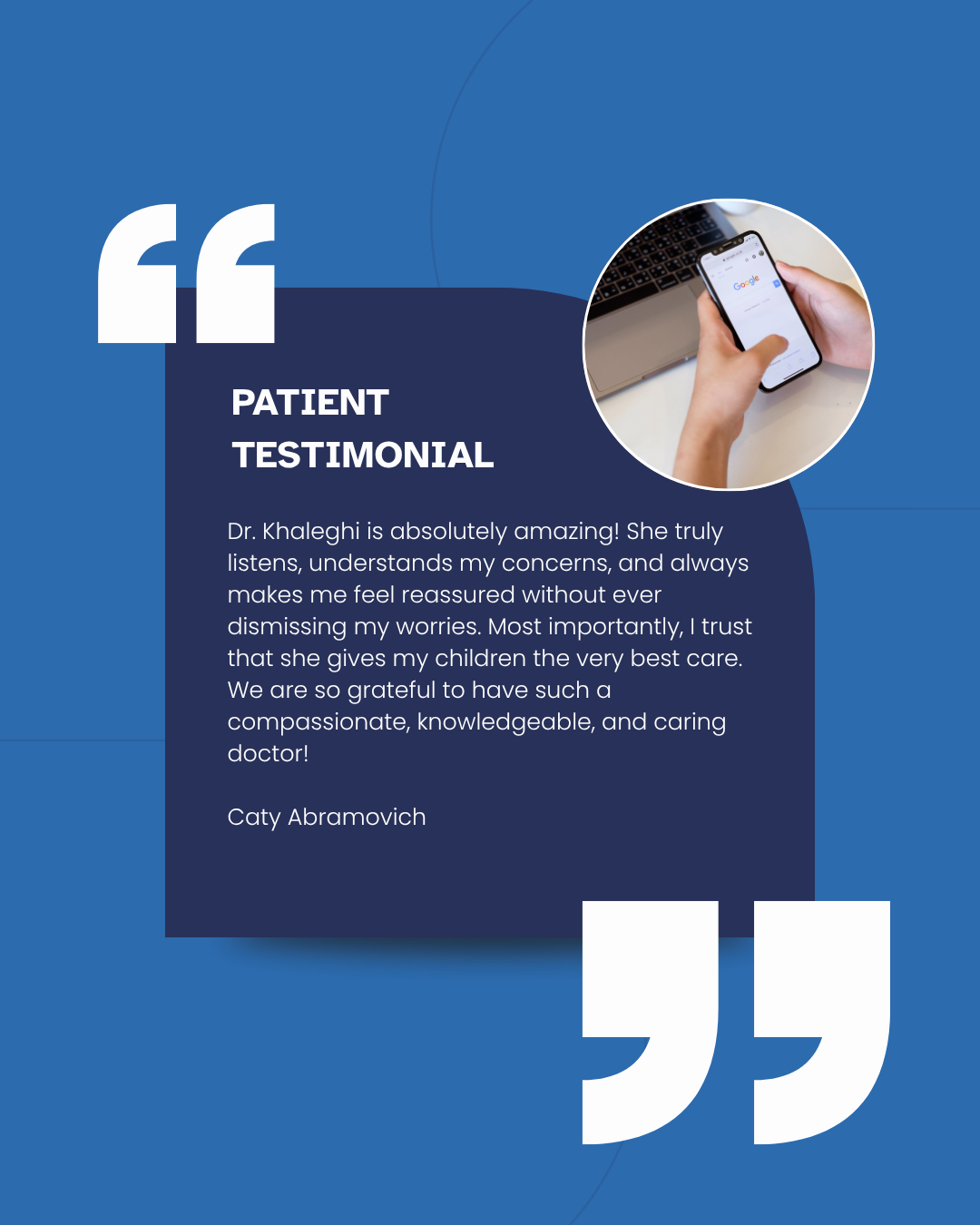
Blue testimonial card with white quotes and a small circular photo of a phone in hand. Inside quotations it reads patient testimonial. Dr. Khaleghi is absolutely amazing! She truly listens, understands my concerns, and always makes me feel reassured without ever dismissing my worries. Most importantly, I trust that she gives my children the very best care. We are so grateful to have such a compassionate, knowledgeable, and caring doctor! Caty Abromavich

If you enjoyed this edition of Growing Together with Pediatric Partners, share it with a friend.

Share