Master Your Back to School Routine for Kids: 2026 Guide

July 30, 2026
The first day of school often brings a mix of excitement, anticipation, and a few butterflies for both kids and parents! After the relaxed pace of summer, getting back into school routines can be challenging. The good news is that a little preparation now can make mornings smoother, improve learning, and help everyone feel more confident.
Building an effective back to school routine for kids involves gradually shifting sleep schedules two weeks before classes begin, establishing organized morning habits, and providing emotional support for school-related anxiety. Consistency and early preparation are essential for helping children transition from summer freedom to structured academic environments successfully.
This edition, we're focusing on three of the biggest back-to-school challenges based on our reader survey:
- Getting sleep schedules back on track
- Getting out the door without the morning chaos
- Helping children manage back-to-school anxiety
Plus, learn about upcoming free community events that can help with getting homework done
- Workshop for middle and high schoolers to learn how to get unstuck when they don't want to do homework
- Event for parents to learn how to help their teens build executive function skills
Every school year brings new opportunities to learn, grow, and build confidence. Whether your child is starting preschool, entering middle school, or heading off to high school, remember that routines take time to develop. Celebrate small successes, offer encouragement during challenges, and know that you're not alone—we're here to partner with you every step of the way.
Here's to a healthy, happy, and successful school year from all of us at Pediatric Partners!
How much sleep does my child really need?
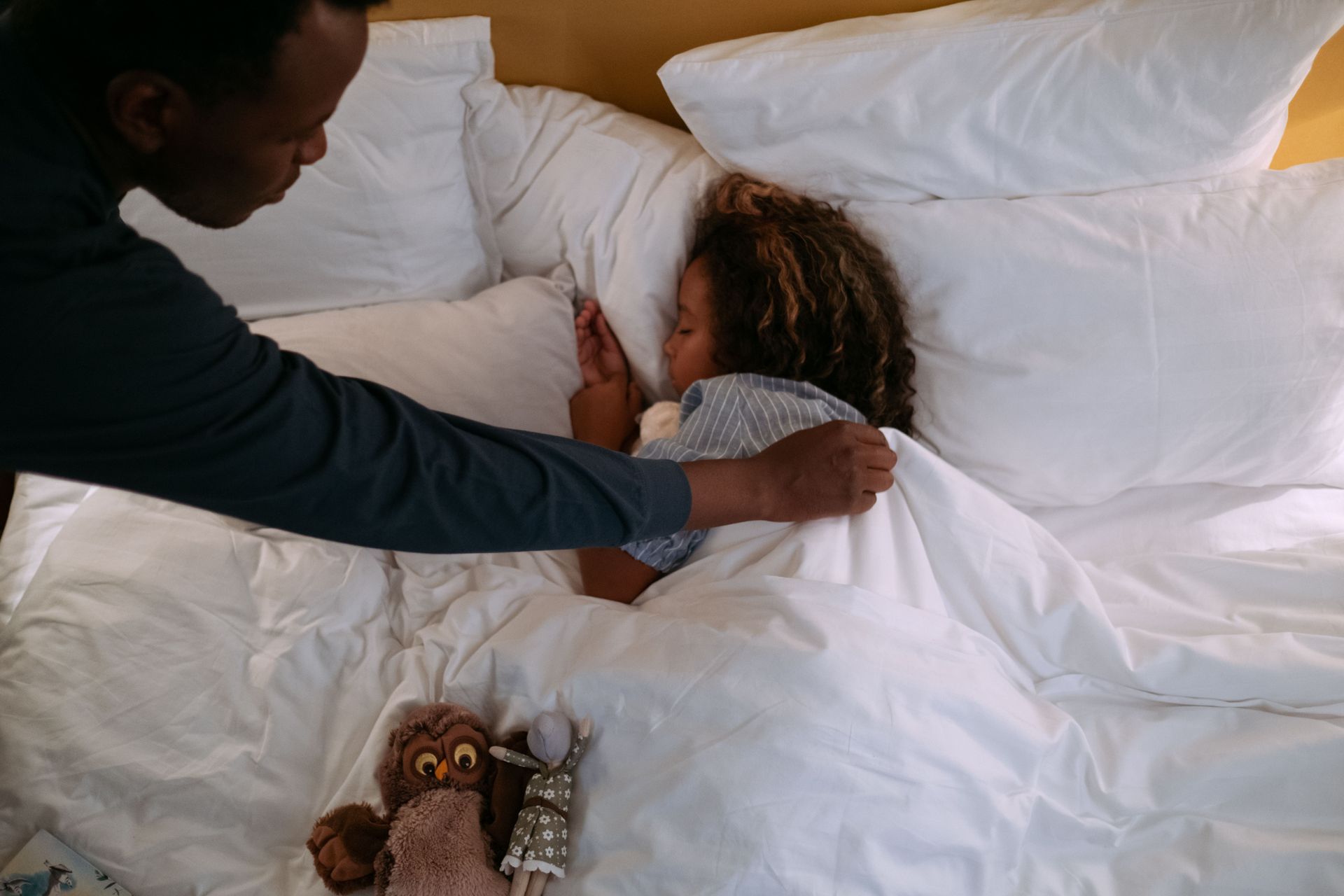
One of the biggest adjustments after summer is returning to an earlier bedtime. Many children stay up later during vacation, making those first few weeks of school especially exhausting. If you're dreading that first day back, start planning now!
Rather than waiting until the night before school begins:
- Move bedtime earlier by 15-20 minutes every 2-3 nights
- Wake your child up earlier each morning, even if they're tired
- Open curtains first thing in the morning or spend a few minutes outside to help reset the body's internal clock
- Get kids moving early in the day - exercise can help sleep patterns
- Keep bedtime and wake time consistent — even on weekends
Build a calming bedtime routine
Children sleep best when bedtime is predictable. Train their brain to anticipate sleep by the time they hit the pillow.
Try a routine like:
- Bath or shower
- Pajamas
- Brush teeth
- Read together
- Lights out
Avoid screens for at least 30-60 minutes before bedtime. Phones, tablets, gaming systems, and TVs can make it harder for the brain to produce melatonin, the hormone that helps us fall asleep.
Is my child getting enough sleep?
Most school-aged children need:
- Preschoolers (3-5 years): Need 10 to 13 hours of sleep per day, including naps.
- School-aged children (6-12 years): Require between 9 and 12 hours of consistent rest.
- Teens (13-18 years): Still need a substantial 8 to 10 hours of sleep for optimal health.
Children who don't get enough sleep often appear:
- Irritable
- Hyperactive
- Distracted
- Emotional
- Forgetful
Sleep is not just about avoiding grogginess; it is a critical component of cognitive function, emotional regulation, and physical growth. When children are sleep-deprived, their ability to concentrate in the classroom diminishes, and they may struggle with behavioral issues that mimic or worsen existing conditions like ADHD.
Sometimes what looks like "bad behavior" is actually an overtired brain. If your child struggles to get the sleep they need, schedule a visit to help us identify why. There are underlying treatable conditions that make it hard for kids to sleep.
The gradual sleep schedule shift
Beyond just the timing, the quality of sleep is paramount. Environmental factors play a huge role in how quickly a child falls asleep and how deeply they rest. We often discuss "sleep hygiene" during Well-Child Visits . This includes keeping the bedroom cool, dark, and quiet.
One of the biggest disruptors of modern sleep is blue light from screens. Tablets, smartphones, and televisions suppress the natural production of melatonin, the hormone that signals to the brain it is time to sleep. Establish a digital curfew: all electronics should be turned off and moved to a central charging station outside the bedroom at least one hour before lights out. Replacing screen time with a book or a calm conversation can significantly improve sleep onset.
Consistency also extends to the weekends. While it is tempting to let kids stay up late on Friday and Saturday, keeping a similar schedule year-round prevents the "Monday morning slump." A variation of more than an hour can confuse the body’s internal clock, making Sunday night particularly difficult. Proper rest ensures your child is physically ready to tackle the challenges of a new grade level.
What about melatonin, magnesium, and other sleep aids?
Many families try lotions, oils, gummies, supplements, or weighted blankets to help kids sleep — and it’s easy to see why. The sleep aisle is overflowing with products that promise quick fixes.
But sleep problems are usually a symptom, not the diagnosis. Kids may need better sleep habits, support for anxiety, evaluation for ADHD or sleep apnea, or even a check of their iron levels.
Because many sleep products aren’t well studied in children — and some carry real risks — it’s important to understand what the evidence actually shows before spending money or relying on them. And when sleep becomes a struggle, a dedicated visit is the best way to sort out what’s really going on and what we recommend.
If we recommend a supplement to help with sleep, it’s important to remember that supplements aren’t regulated the same way medications are. Quality can vary widely, which is why we recommend choosing products that have been independently evaluated. Parents can look for seals from third‑party testers — such as USP, NSF, or ConsumerLab — on the label to know a product has been reviewed for purity and accuracy.
You can find some recommended brands in our Metagenics and Amazon stores. Products listed there are examples many families find helpful, but plenty of other high‑quality options may fit your needs. Inclusion isn’t an endorsement. Some links are affiliate links — they never increase your cost, but we may earn a small commission from purchases.
Want to learn more? Tap the button below to read Dr. Stuppy's full sleep‑aid breakdown.
How can we make school mornings stress-free?

If every morning feels like a race against the clock, you're not alone.
The secret isn't moving faster—it's doing more the night before.
A smooth back to school routine for kids depends heavily on what happens before the sun even comes up. The goal of a morning routine is to minimize the number of decisions that need to be made during the early hours. When everyone is rushed and forced to make choices while half-asleep, stress levels skyrocket, which can set a negative tone for the entire school day. Turn chaos into calm with a few tried and true tricks.
Create a Launch Pad
Establishing a "launch pad" is a game-changer for many busy families.
This is a designated spot near the exit—a basket, a hook, or a shelf—where everything needed for the day lives. Backpacks, sports gear, musical instruments, and coats stay here. This simple organizational hack prevents the frantic, last-minute search for a missing shoe or a permission slip as the bus is pulling up.
Choose one spot near the door where everyone keeps:
- Backpack
- Shoes
- Jacket
- Lunchbox
- Water bottle
- Library books
- Sports equipment
No more searching the house when you need to be out the door.
Prep the night before
Spend 10-15 minutes each evening:
✔ Pack backpacks
✔ Charge school devices
✔ Fill water bottles
✔ Pack lunches (or at least gather supplies unless buying school lunch)
✔ Check tomorrow's calendar and review it together so there are no surprises (on Sunday look at the week ahead)
✔ Check tomorrow's weather to choose the best clothing, boots, raincoats, and more
✔ Lay out clothes
✔ Decide what breakfast will be and prepare for it as much as possible by setting out non-perishables and plates or bowls
Use visual checklists
Many children—especially younger kids and those with ADHD—do better with pictures or written routines.
Morning checklist:
☐ Get dressed
☐ Brush teeth
☐ Eat breakfast
☐ Take medicine / vitamins (Vitamin D is recommended for everone!)
☐ Put on shoes
☐ Grab backpack
☐ Grab lunch
☐ Out the door!
When children own the checklist, parents spend less time repeating reminders.
Build in extra time
If your family usually needs 20 minutes to get ready, plan for 30. Unexpected spills, missing shoes, or last-minute bathroom trips happen to every family.
Leaving just five minutes earlier often makes the entire morning feel calmer.
Special Tips for Children with ADHD
Back-to-school transitions can be especially difficult for children with ADHD because routines, organization, and time management are all changing at once.
A few strategies that help:
- Start school routines 1-2 weeks early.
- Use timers to keep mornings moving.
- Break large tasks into smaller steps.
- Keep backpacks organized with designated pockets.
- Communicate early with teachers if accommodations are needed.
- Praise effort, not perfection.
Remember: the goal isn't a perfect morning—it's helping your child become a little more independent each week.

Optimizing the morning flow
Breakfast is another pillar of the morning routine. Studies consistently show that children who eat a balanced breakfast have better concentration and more energy throughout the morning.
Focus on protein and fiber to provide sustained energy, rather than sugary cereals that lead to a mid-morning crash. If your child isn't hungry immediately upon waking or your teen overslept their alarm and doesn't have time to sit and eat, a smoothie, Greek yogurt, or hard-boiled egg can be eaten on the way to school. Some protein is better than nothing.
Remember to build in a 10-minute "buffer." If you think you need to leave at 7:30 AM, aim for 7:20 AM. This extra time accounts for the inevitable spilled milk, need to toilet, or heavy traffic. Reducing the rush reduces the cortisol levels for both you and your child, making for a much smoother morning.
Managing back-to-school anxiety and nerves

Some children can't wait to go back to school.
Others may suddenly complain of stomachaches, headaches, trouble sleeping, or clinginess.
These can all be signs of anxiety.
Common worries include:
- Will my teacher like me?
- Will I know anyone?
- What if I get lost?
- What if my friends changed?
- What if the work is too hard?
- What if I embarrass myself?
These worries are normal.
Listen before you solve
Instead of saying:
"Don't worry."
This tells them their feelings aren't important and doesn't help them feel better.
Try:
"Tell me what you're most worried about."
Children often feel better simply because someone listened.
Validate feelings
You can acknowledge their emotions without agreeing that something bad will happen.
Try saying:
- "Starting something new can feel scary."
- "Lots of kids feel nervous on the first day."
- "I believe you can handle hard things."
Confidence grows when children face challenges—not when they avoid them.
Practice ahead of time
If your child is anxious:
- Visit the school playground.
- Walk through drop-off.
- Practice opening lunch containers.
- Try on new shoes and backpacks.
- Review the daily schedule.
Familiarity makes new situations feel less overwhelming.
Keep goodbyes short
Long, emotional goodbyes often increase anxiety.
Instead:
- Give a hug
- Say you'll see them after school
- Leave confidently
Your calm helps your child feel safe.
For more specific strategies, see our Anxiety Tips from Pediatric Partners .

What are the signs of serious school-related stress?
While first-day jitters are standard, some children experience more intense anxiety that interferes with their daily life. Watch for signs that the stress has become unmanageable to help identify when things are beyond the typical nervousness so you can help your child learn to mange the stress in a healthy way.
If your child exhibits any of the following for more than two weeks, it may be time to schedule an appointment:
- Frequent physical complaints, like stomachaches or headaches, especially in the morning or Sunday nights.
- Significant changes in eating or sleeping habits.
- Refusal to go to school or extreme tearfulness during drop-off.
- Withdrawal from activities or friends they usually enjoy.
- Preoccupation with what could go wrong.
We offer Mental Health screenings at annual well visits for older kids and teens to help identify significant issues, but if things show up between visits, don't wait for your next well visit to discuss concerns. Sean, our Behavioral Health Clinician, is available to help with more in depth evaluations and early interventions.
Often, early intervention with a behavioral clinician can provide the child with the tools they need to thrive. Addressing these issues early prevents them from snowballing as the academic workload increases throughout the semester.
Want More?

Learn About Upcoming Free Community Events from Our Local CHADD Chapter
Founded in 2012, ADHDKC is Kansas City’s Award Winning Non-Profit CHADD Chapter. ADHDKC provides support for thousands of area families thriving with ADHD and related conditions. Every month ADHDKC sponsors events online and around the KC Metro to help parents, adults, and adolescents learn how to regulate emotions, better manage executive functioning, and more.
All ADHDKC Events are free and open to the public. No diagnosis is required!
For Tweens & Teens
Homework Challenges: Getting Started, Staying Motivated, and Finishing What Matters
A common challenge for parents is helping their kids and teens get homework done. Tweens and teens don't need another lecture about "being more responsible." They need strategies they can use right away to get organized and get stuff done.
Dr. Stuppy will be leading an interactive online workshop for middle and high school students to learn how to get homework and other non-preferred tasks done - even when they don't feel like doing it.
This workshop is through Kansas City's local CHADD chapter, ADHDKC, and is free and open to the public. Middle and high school students who want homework to feel a little less overwhelming are welcome to join the group, whether they have ADHD or not.
Dr. Stuppy leads these workshops each month and loves to see kids who come to learn each month, and is excited to see familiar faces new to the group.
Parents:
Are You Feeling Like Your Teen is Overwhelmed, Scattered, or Constantly Playing Catch-up?
Teen life today demands strong executive function skills—but many teens (especially those with ADHD or other learning differences) are still developing these critical abilities.
Managing schoolwork, keeping track of a busy schedule, and navigating social expectations can quickly become overwhelming—for both teens and their parents.
You’re not alone—and there are ways to help.
Executive Function Coach, Sarah Kesty, will guide parents through brain-friendly ways to support teens in building the skills they need to thrive—at home, at school, and beyond.
This isn’t about “trying harder.”
It’s about working smarter with how the brain actually functions.
Preparing for a healthy school year
Finally, ensure your child is physically prepared. This means being up-to-date on Vaccines and Immunizations and having a current sports physical if they plan to participate in athletics. A healthy body is the foundation upon which a good routine is built. If your child has a chronic condition like asthma or allergies, make sure their school action plans are updated and that the school nurse has all necessary supplies.
Establishing a back to school routine for kids isn't just about the first day; it's about creating a sustainable lifestyle that supports learning and growth. By focusing on sleep, organization, and emotional health, you are giving your child the best possible start to their academic year. If you have concerns about your child's transition, don't hesitate to reach out to our office to Schedule an Appointment.
Back to School Routine Summary:
- Gradual Sleep Shift: Move bedtimes 15 minutes earlier every few days starting two weeks before school.
- Preparation is Key: Pack bags, choose outfits, and prep lunches the night before to reduce morning chaos.
- Manage Anxiety: Validate feelings, visit the school early, and watch for physical signs of stress.
- Health First: Ensure all well-child visits and school forms are completed before the first bell rings.
- Consistency Wins: Keep routines similar on weekends to maintain the body's natural clock.