Summer Ticks, Holiday Safety, and July 4th Office Hours

July 2, 2026


Summer is here, which means more time outdoors—and more questions about ticks! We've received many calls recently about tick bites, so this newsletter covers what families in Kansas and Missouri should know, when to be concerned, and when to contact us.


We also have some important updates about pre-visit surveys, holiday safety reminders and office schedule updates for the July 4th holiday.


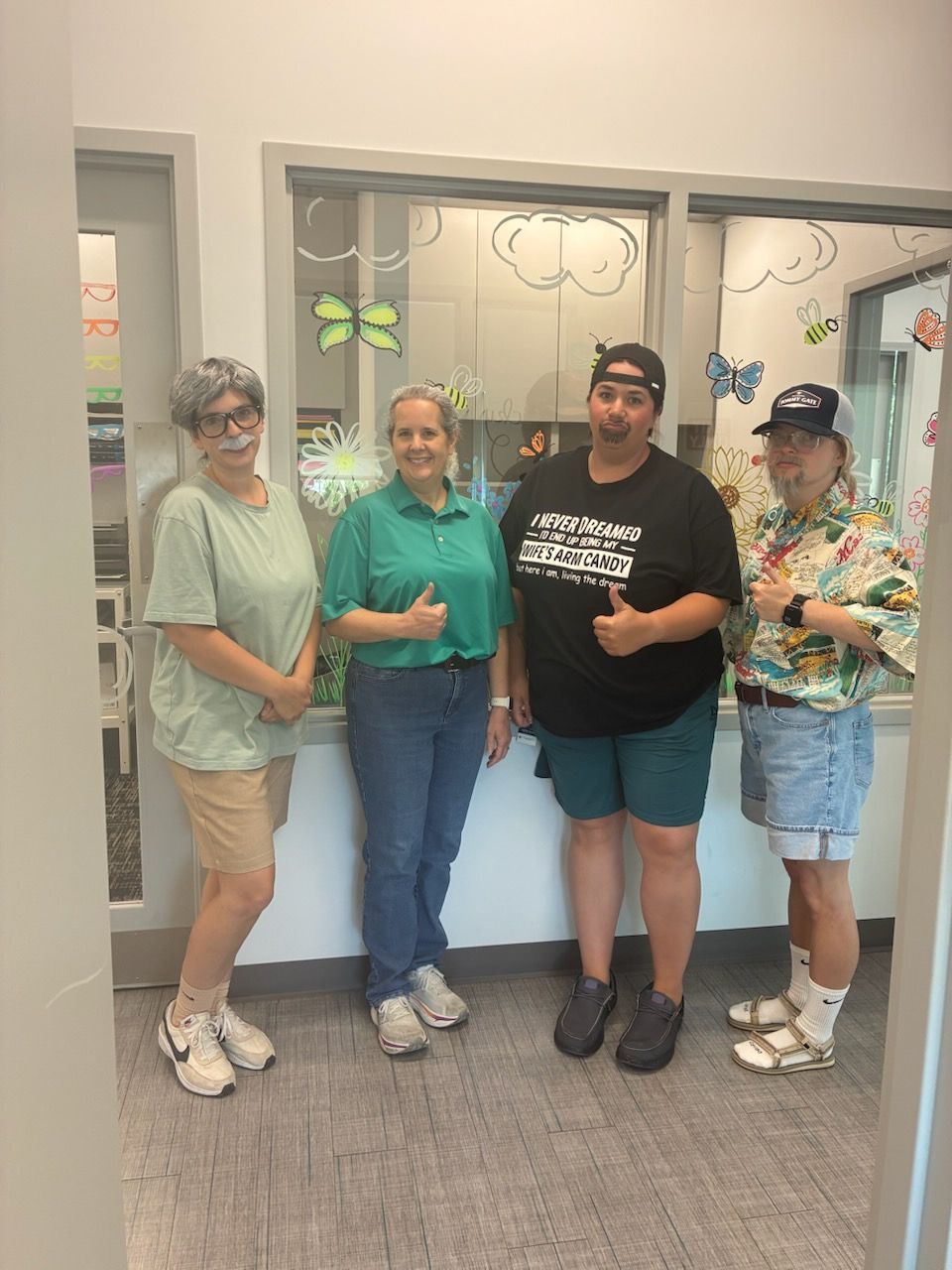
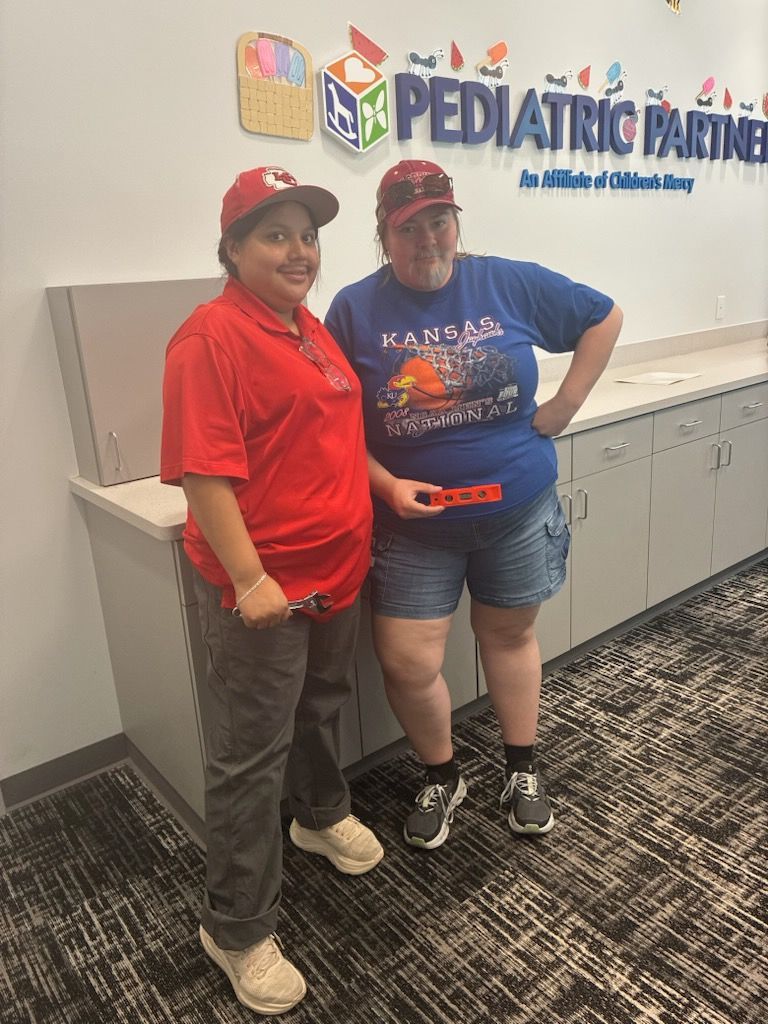
But first, I want to share some fun we had on the Friday before Father's Day.


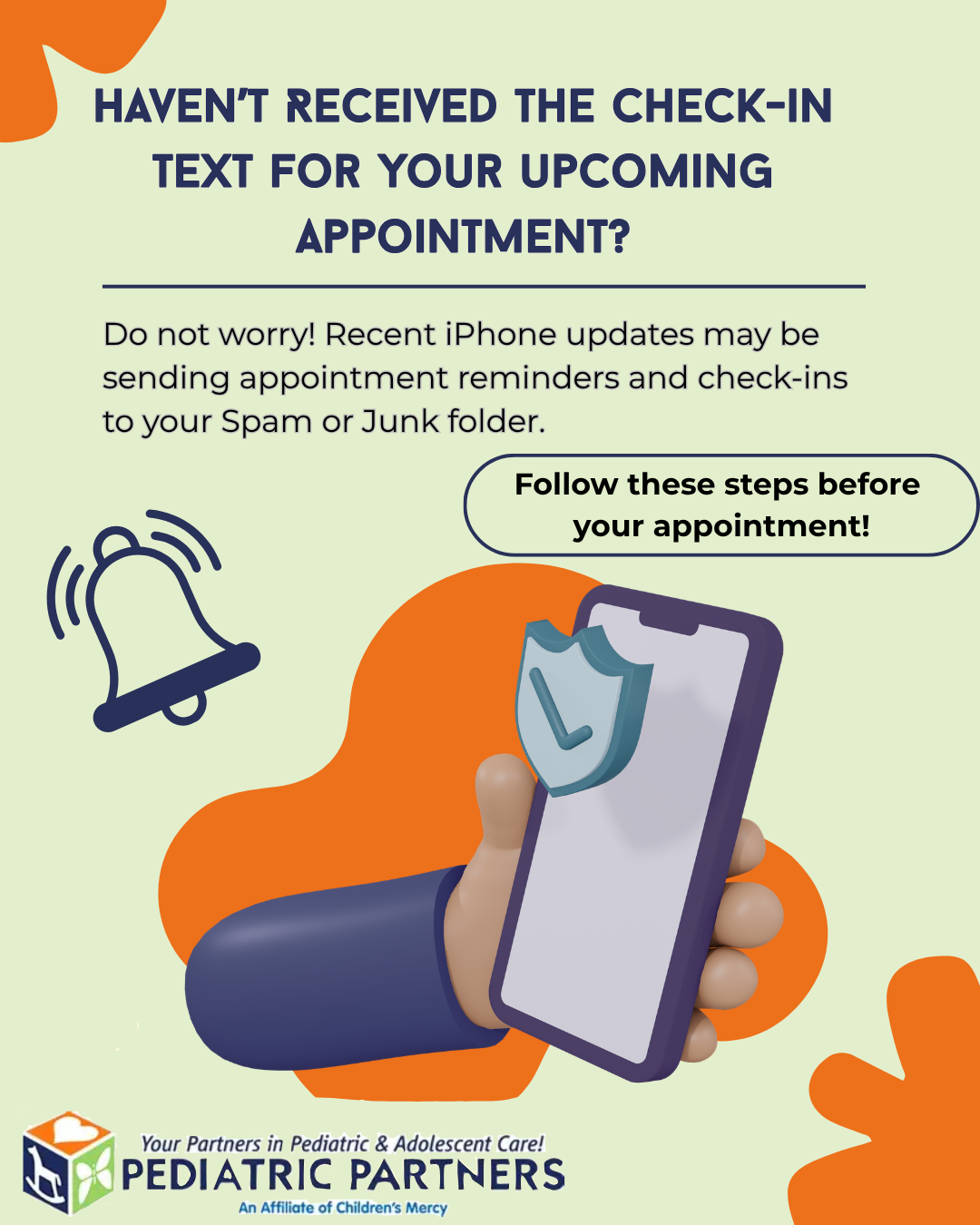
Why You May Be Missing Pre‑Visit Check‑In Texts

— And How to Fix It

Some families have told us they aren’t receiving their Phreesia pre‑visit check‑in texts. In many cases, this happens because your phone carrier mistakenly flags Phreesia’s automated sender numbers as spam or advertising. When that happens, the messages are filtered out before you ever see them.


Here are two quick steps that reliably fix the issue:

1. Add Phreesia’s Number to Your Contacts


Phreesia sends messages from short codes (5‑ or 6‑digit numbers) or rotating local numbers.

Adding the number to your contacts tells your phone it’s a trusted sender.


How to do it:

  • Open the most recent Phreesia text you did receive.
  • Create a new contact (you can name it “Doctor’s Office Check‑In”).
  • Save the number or short code.
  • Once saved, your phone is far less likely to filter future messages.


2. Check Your Spam / Blocked Messages Folder


Depending on your phone, you may need to manually mark these messages as “not spam.”


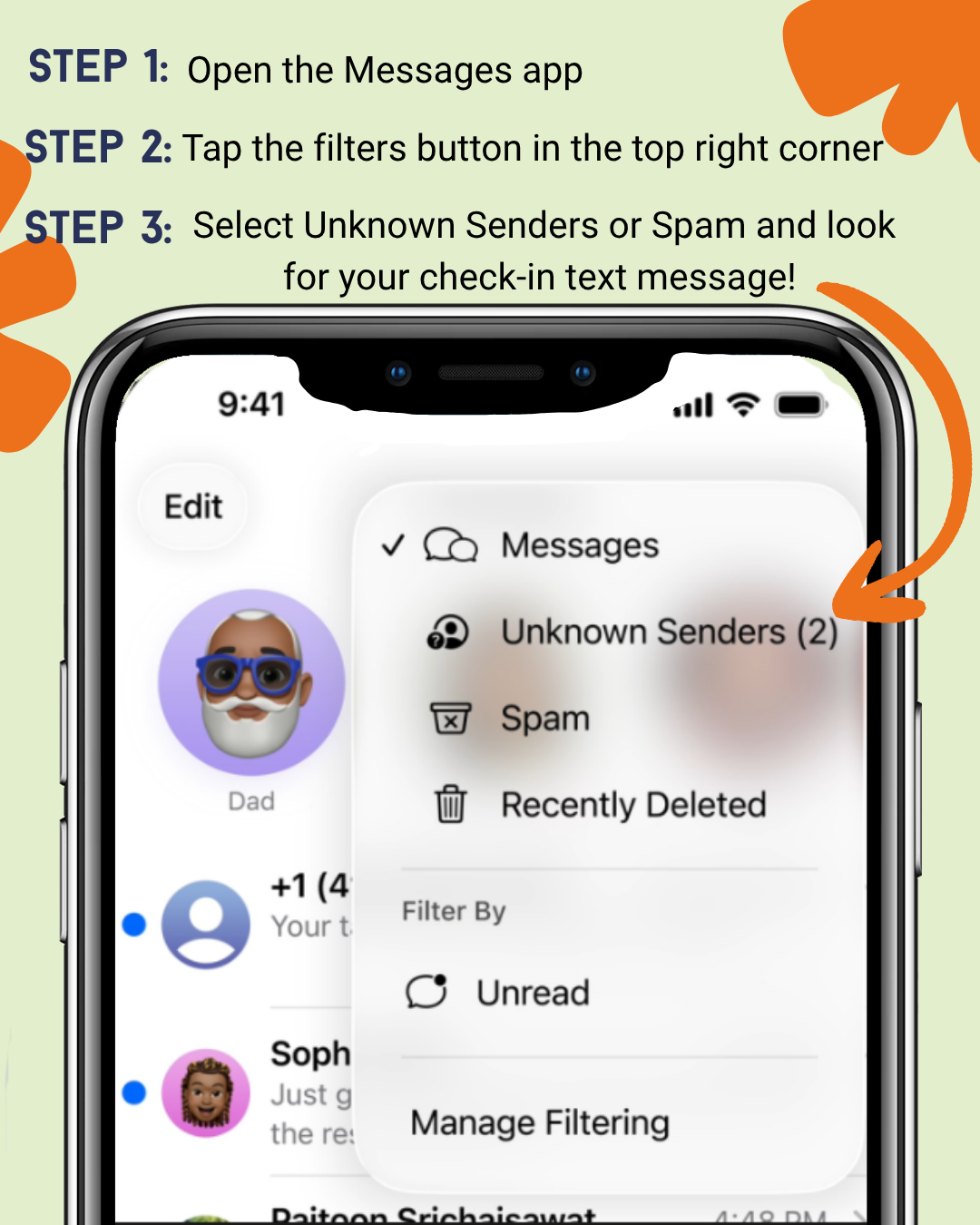
On iPhone (iOS): 

Messages app → Filters or Unknown Senders → Find the Phreesia text → Tap it → Tap the banner at the top → Info → Add to Existing Contact or Create New Contact.


On Android: 

Messages app → Three dots (upper corner) → Spam & Blocked → Find the Phreesia text → Tap Not spam or Unblock.


If you've previously opted out of our texts, you can opt back in!


To get back on our text list, just send UNSTOP to 866-467-1139. It’s quick, easy, and ensures you stay in the loop with everything Pediatric Partners is doing to care for your family.


Why This Matters


Pre‑visit check‑in helps you move through your appointment more quickly, reduces wait times, and ensures we have accurate information before your visit. Adding the number to your contacts is the simplest way to make sure you don’t miss these important messages.


Tick Bites: What Parents Need to Know


The good news? Most tick bites do not result in infection.


While ticks can carry diseases, the majority of children who are bitten by a tick will never develop a tick-borne illness.


Performing daily tick checks after being in areas where ticks may find you and removing them within 24 hours decreases risk.

Yellow

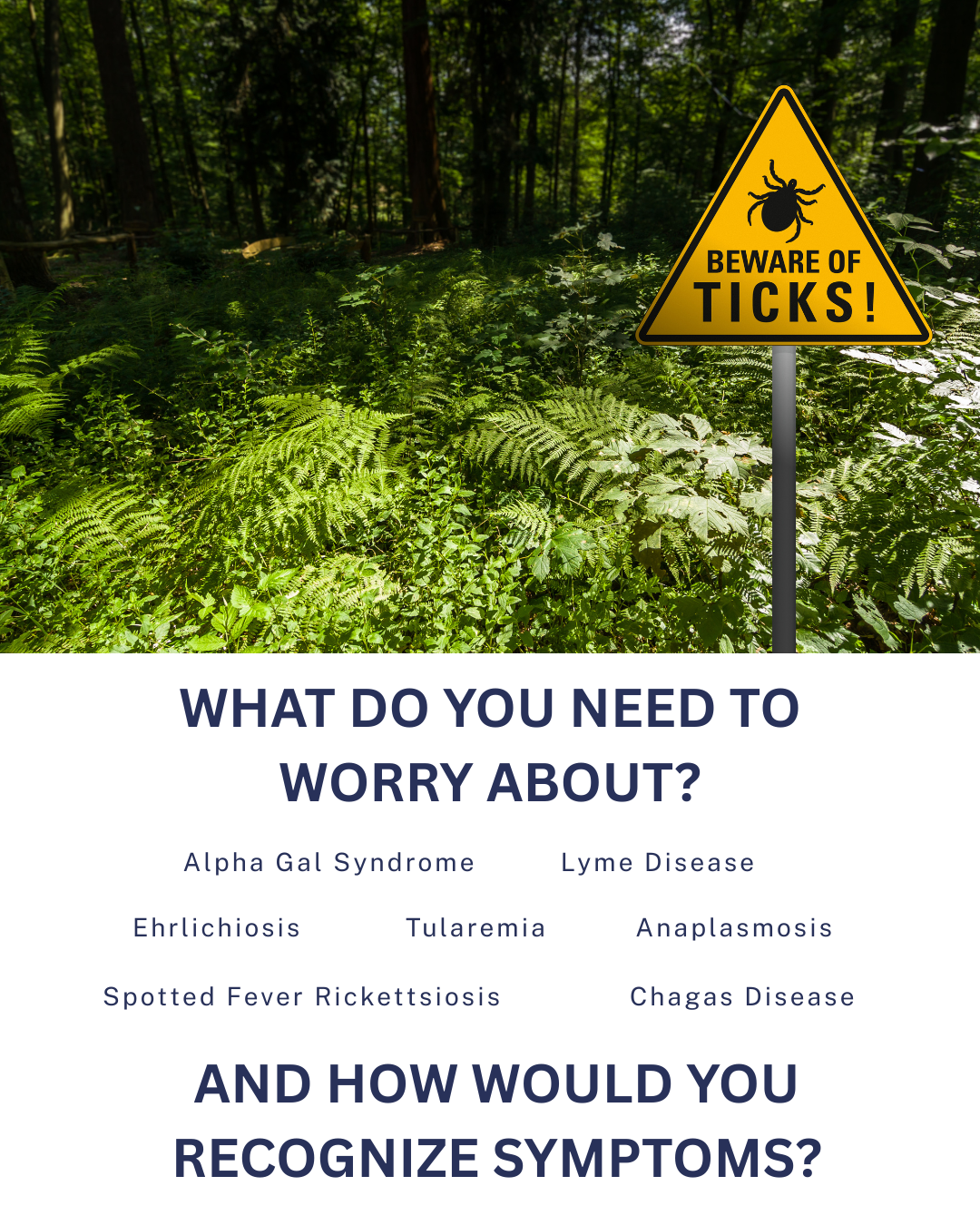
Common Tick-Borne Diseases in Kansas and Missouri


The most common infections we see or discuss in our region include:

  • Rocky Mountain Spotted Fever (RMSF) – carried primarily by the American dog tick and other tick species.
  • Ehrlichiosis – one of the more common tick-borne illnesses in Missouri and Kansas.
  • Tularemia – less common but present in our area.
  • Alpha-gal Syndrome – a reaction to mammalian meat that can develop after bites from the Lone Star tick.
  • Lyme Disease – while common in parts of the Northeast and Upper Midwest, Lyme disease is relatively uncommon in Kansas and Missouri compared with those regions.


When Should You Suspect an Infection?


Most tick-borne illnesses do not cause symptoms immediately after the bite. Watch for symptoms that develop days to weeks later, including:

  • Fever
  • Headache
  • Fatigue
  • Body aches
  • Chills
  • Rash
  • Swollen lymph nodes
  • Nausea or vomiting


Contact us if your child develops these symptoms after a known tick bite or after spending time outdoors where ticks may be present.


What About the Tick Bite Itself?

A small red bump at the site of the bite is normal and does not mean your child has an infection.

Call us if:

  • The redness continues to expand significantly.
  • The area becomes increasingly painful, swollen, or drains pus.
  • Your child develops fever or other concerning symptoms. 


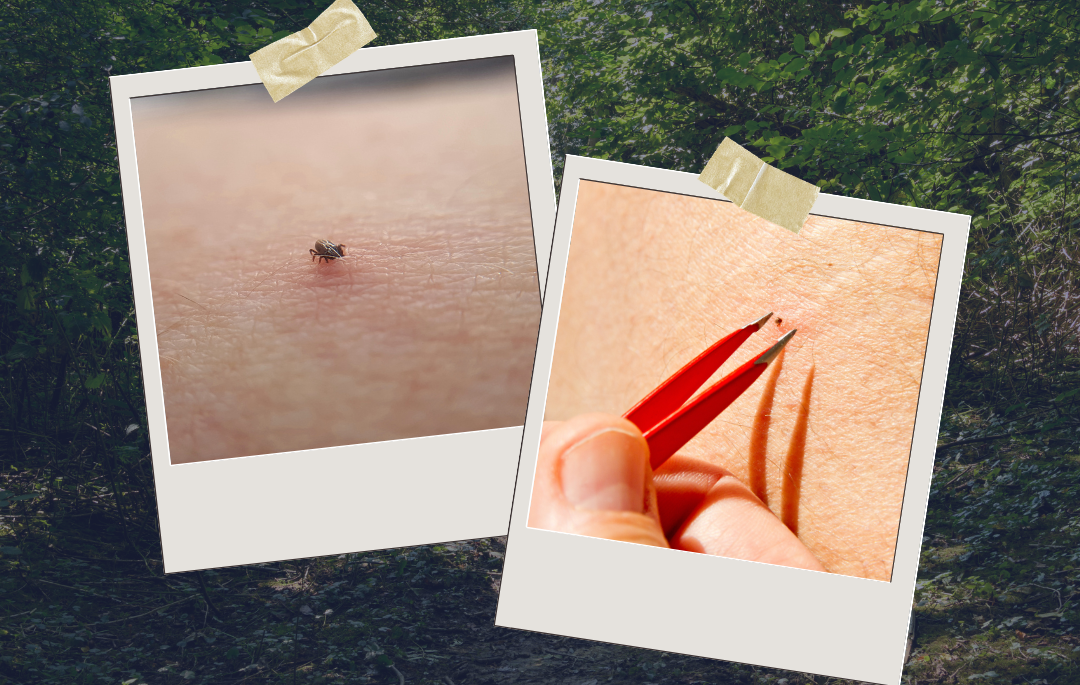
close-up skin tick and tweezers to remove a small tick.

How to Remove a Tick


If you find a tick attached to you or your child:

  1. Use fine-tipped tweezers.
  2. Grasp the tick as close to the skin as possible.
  3. Pull upward with steady, even pressure.
  4. Clean the area with soap and water afterward.


Avoid:

  • Burning the tick
  • Applying nail polish, petroleum jelly, or other substances
  • Twisting or crushing the tick during removal


You do not need to bring the tick to our office for testing.


Preventing Tick Bites

  • Use EPA-approved insect repellents. Find a list from the "Learn More" button below.
  • Wear long sleeves and pants when hiking or playing in wooded areas.
  • Perform tick checks after outdoor activities.
  • Shower after coming indoors when possible.
  • Check pets regularly, as they can bring ticks into the home.

When Should You Schedule an Appointment?


Please contact our office if:

  • Your child develops fever, rash, severe headache, or other illness after a tick bite.
  • The bite site appears infected.
  • You are unable to remove the tick completely.
  • You have concerns after reviewing our website resources.


Many tick bites can be safely monitored at home, but we're happy to help when questions arise.


Children waving at a street parade, with an adult kneeling in front of them taking a picture.

Holiday Safety Reminders


July 4th celebrations are a favorite family tradition, but they also bring some preventable injuries.


Firework Safety


The safest choice is to enjoy professional fireworks displays rather than using consumer fireworks at home.


Remember:

  • Never allow children to handle fireworks.
  • Sparklers can burn at temperatures hot enough to cause serious injuries.
  • Keep a safe distance from active fireworks.
  • Have water nearby if fireworks are being used.
  • Supervise children closely around all fireworks and bonfires.


Neighborhood Parade Safety


Many of our families participate in neighborhood bike parades and decorate bicycles, scooters, wagons, and battery-powered ride-on vehicles.


Before heading out:

  • Helmets First - Every child riding a bicycle, scooter, skateboard, or ride-on vehicle should wear a properly fitted helmet.

Be Seen

  • Use bright colors and decorations.
  • Avoid decorations that block vision or become tangled in wheels.
  • Consider reflective materials if activities continue into the evening.

Ride Safely

  • Younger children should have close adult supervision.
  • Watch for driveways, parked cars, and uneven pavement.
  • Keep speeds appropriate for the rider's age and skill level.
  • Battery-powered ride-on vehicles should be operated only in safe areas away from traffic.

Stay Hydrated

  • Kansas and Missouri summers can be hot. Bring water and take breaks as needed, especially for young children.

Food Safety For Picnics & BBQs

  • Keep Cold Foods Cold: Pack perishables (like deli meats, potato/tuna salads, and dairy) in a well-insulated cooler packed tightly with ice or gel packs. Put cold bowls on top of ice at the picnic table to maintain temperature. If using a cooler, put drinks in a separate cooler than food because it is opened more often.
  • Keep Hot Foods Hot: If bringing hot foods (like fried chicken or casseroles), eat it within 2 hours. Keep items hot in insulated thermoses or chafing dishes. On a hot day (90 degrees or higher), don't let food sit out for more than one hour. Bacteria can multiply quickly on food left out in warm weather.
  • Less Perishable Foods: Some foods such as breads, rolls, chips, crackers, and cookies are okay to leave out but should be covered for freshness. Condiments such as ketchup, mayonnaise, and mustard are acidic, so they are okay to leave out for a picnic or barbecue.
  • Wash Hands to Prevent Illness 
  1. Wash hands with soap and water before and after preparing food, especially raw meats.
  2. Everyone should wash hands or use sanitizer or disposable hand wipes before eating to prevent passing germs to food.
colorful fireworks filling the back sky

July 4th Office Hours


As families make plans for the holiday weekend, please note our schedule:


🎆 Closed Saturday, July 4th for Independence Day


✅ Open Friday, July 3rd


✅ Open Monday, July 6th


If your child becomes ill while we are closed, our nurse triage line remains available to help guide you to the appropriate level of care if you cannot find answers on our website.

Looking for Answers? Check Our Resources First!


Did you know that many of the questions we receive every day are already answered on our website?


Before calling, we encourage families to visit our Resource pages, where you'll find information about:


If you still can't find the answer you need, our nurse triage team is always available to help guide you.

Thank you for trusting Pediatric Partners with your family's care. We hope you have a safe, healthy, and fun Independence Day holiday!


The Pediatric Partners Team
Helping children grow healthy, confident, and resilient every step of the way.


Don't miss an edition of GROWING TOGETHER WITH PEDIATRIC PARTNERS!


Sign up to receive a copy delivered to your in box twice a month.


Newsletter signup form with group photo banner and fields for first name, last name, and email.