Anxiety Tips from Pediatric Partners
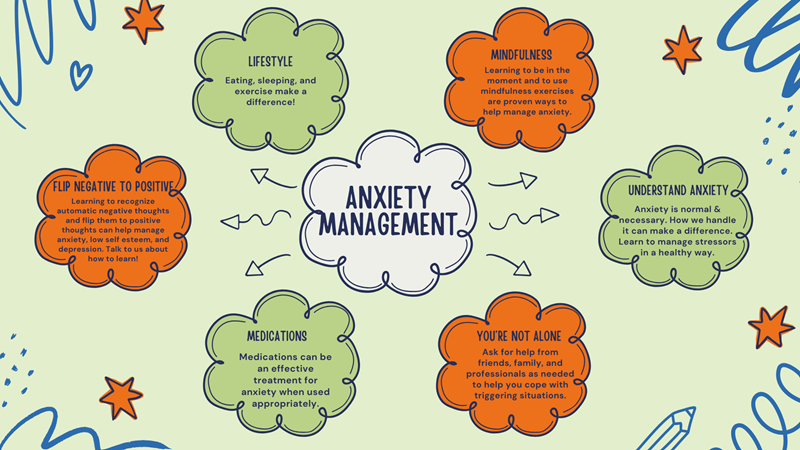
Anxiety disorders are very common among children and adolescents and can affect their daily functioning and quality of life. It often exists with related conditions, especially ADHD and depression. Living with anxiety can be challenging, but there are numerous strategies you can use to effectively manage and reduce its impact on daily life, including adopting positive lifestyle changes, learning coping skills and using medications as indicated.
Anxiety is a normal part of our human experience. It is normal and necessary to keep us safe, but it can become overwhelming. It can be uncomfortable, but learning to manage anxiety is our goal so we can live with it in a healthy way.
On this page you will find:
How does Pediatric Partners Help You Manage Anxiety?
- We can provide assessement of your symptoms to help develop a treatment plan that may include therapy and/or medications.
- The lifestyle changes and coping strategies below can be learned by children, teens, and adults. Our social worker can help with an initial assessment of symptoms and start therapy as indicated with our Integrated Behavioral Health Services.
- To find local and online professionals and additional resources, visit our Mental Health Resources page.
- Mental Health is Health has tips to use NOW when emotions are out of control. Also tips to help a friend if needed.
- For those on anxiety and depression medication, we require frequent visits until stable. It is recommended to follow-up with the prescriber every 3-6 months to make sure that things continue to go well and to discuss weaning off medications when appropriate. If medications are discontinued, follow up for several months is recommended to monitor for return of symptoms.
Patients should not stop medication without a plan from their prescriber. - For more information about managing anxiety, panic attacks, depression, and more, see our full Mental Health Toolkit.
- A new field of medicine is learning about how autonomic dysfunction can mimic anxiety. Resources for learning more include:
- Bateman Horne Center YouTube
- The Bendy Bulletin and Podcast
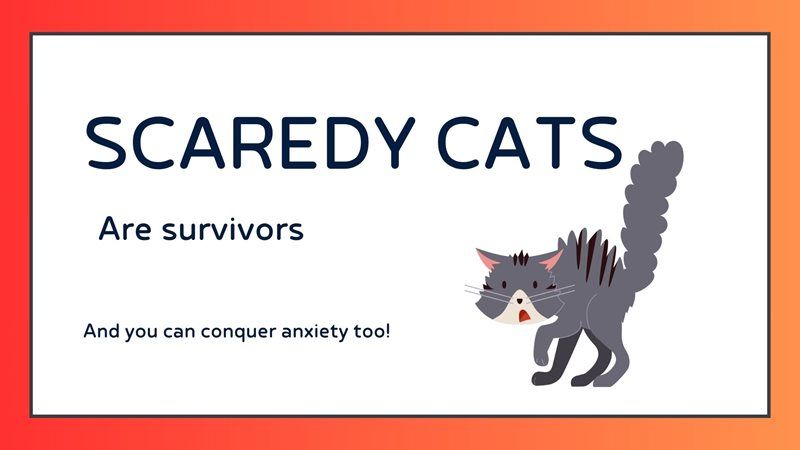
Scaredy Cats are Survivors - and you can conquer anxiety too!
Dr. Stuppy gave a talk about anxiety management to the local ADHDKC group. You can watch the recording here. Subscribe to the ADHDKC newsletter if you want more like this and an opportunity to learn about all the upcoming talks - they're not only for people with ADHD and are free and open to the community.
Lifestyle interventions:
- Exercise: Regular physical activity has been shown to improve mood and reduce depressive symptoms by increasing endorphin levels and promoting neuroplasticity.
- Nutrition: A balanced diet rich in fruits, vegetables, whole grains, and omega-3 fatty acids may support mental health and reduce the risk of depression.
- Sleep Hygiene: Adequate sleep hygiene practices, including maintaining a regular sleep schedule, avoiding stimulants before bedtime, and creating a comfortable sleep environment, are essential for managing depression.
- Stress Management: Techniques such as relaxation exercises, mindfulness meditation, and stress-reduction strategies can help individuals cope with stressors and prevent exacerbation of depressive symptoms. See the next section for details!
- There are free apps, such as Smiling Mind and Insight Timer, that can help you practice mindfulness together. They each have child-specific meditations as well as ones for adults.
Coping Strategies for Managing Anxiety
Therapists are skilled at helping to teach effective coping strategies. For help finding a therapist, use our Mental Health Professionals page.
For some age-specific strategies, see Activities to Help Your Child or Adolescent Manage Anxiety.
- Understand Your Anxiety:
- Educate yourself about anxiety to demystify it and understand its triggers and symptoms better.
- Keep a journal to track your anxiety episodes, noting what triggers them and how you feel during and after.
- Practice Relaxation Techniques:
- Mindfulness and meditation have been shown to be effective in helping to calm the mind and improve focus. Long-term consistent use changes the density of the grey matter of the brain - areas of attention, emotional regulation, working memory and self-awareness benefit. Science backs it up, so if you think it won't work, there's data to say otherwise.
- It takes time to develop a habit and mindfulness needs to be done daily - just a few minutes a day is all it takes to make changes, but you do need to do it daily.
- There are many mindfulness and meditation apps out there.
- Common Sense Media has a meditation app review page that includes age suggestions for each. Some are for littles only, but others are appropriate for young children through adults.
- There are free apps, such as Smiling Mind and Insight Timer, that can help you practice mindfulness together. They each have child-specific meditations as well as ones for adults.
- Balance is a newer app with a one year free trial - long enough to really develop your practice. It uses answers to daily questions to adapt your practice to your needs and explains the science behind why you do various exercises to help improve your learning.
- Develop Coping Strategies:
- Cognitive-behavioral techniques: Challenge negative thought patterns and replace them with more balanced perspectives.
- Grounding exercises: Use your senses to anchor yourself in the present moment during periods of heightened anxiety.
- Set boundaries: Learn to say no to avoid overcommitting and feeling overwhelmed.
- Practice Self-Care:
- Engage in activities you enjoy: Make time for hobbies and interests that bring you joy and relaxation.
- Take breaks: Recognize when you need to step back and recharge, even if it's just for a few minutes.
- Be kind to yourself: Practice self-compassion and accept that setbacks are a normal part of the recovery process.
School Supports
- Schools can be a great resource for students with anxiety. Many students can benefit from brain breaks, extra time on tests, and other accommodations.
- To learn about school accommodations, visit Classroom accommodations for anxiety (understood.org).
- Please work with your school administration and counselor to support your child and share any 504Plans or other accommodations your child is receiving with us.
Medications for anxiety
While psychotherapy remains a cornerstone in treatment, pharmacotherapy (medication) is often considered for moderate to severe cases.
Medications do not teach new brain pathways, but therapy can, so using medications with therapy is considered best practice.
- Selective Serotonin Reuptake Inhibitors (SSRIs):
- SSRIs, such as fluoxetine, sertraline, and fluvoxamine, are first-line medications for pediatric anxiety disorders.
- SSRIs effectively alleviate symptoms by enhancing serotonin neurotransmission.
- Studies demonstrate their efficacy in reducing anxiety symptoms with tolerable side effects.
- While rare, potential adverse effects include tooth grinding, agitation, gastrointestinal disturbances, and very rarely an increase in suicidal ideation.
- Despite being in the same category, some people respond very differently to one or the other of these medications, so if one is not effective or not tolerated, it is recommended to try another.
- It can take several weeks to see a benefit of SSRIs and daily use is needed. Please be patient when starting a new medication.
- Never stop this type of medication without talking to your prescriber. Sudden discontinuation can cause significant withdrawal effects.
- Serotonin-Norepinephrine Reuptake Inhibitors (SNRIs):
- Venlafaxine, a commonly prescribed SNRI, is effective in treating pediatric anxiety disorders. Its dual mechanism of action on serotonin and norepinephrine systems provides additional benefit for patients who do not respond adequately to SSRIs.
- Adverse effects include the risk of cardiovascular effects, withdrawal symptoms, and potential for serotonin syndrome.
- As with SSRIs, it is important to allow time for SNRIs to take effect.
- Sudden discontinuation can lead to adverse effects, so talk with your prescriber before making any change to the dose or discontinuing SNRIs.
- Tricyclic Antidepressants (TCAs):
- TCAs, such as imipramine and clomipramine, have demonstrated efficacy in pediatric anxiety disorders.
- TCAs are reserved for cases refractory to SSRIs or SNRIs due to their significant side effect profile, including anticholinergic effects, cardiotoxicity, and lethality in overdose.
- Psychiatrists may use these medications, but our physicians and nurse practitioners do not prescribe them.
- Benzodiazepines:
- Benzodiazepines, such as clonazepam and lorazepam, are occasionally used for short-term relief of acute anxiety symptoms in children and adolescents.
- Long-term use is limited by the risk of tolerance, dependence, and cognitive impairment.
- There is potential for abuse and withdrawal symptoms so we generally avoid these medications and prefer SSRIs or SNRIs along with psychotherapy for optimal anxiety management.
- Alpha-2 Adrenergic Agonists:
- Clonidine and guanfacine, alpha-2 adrenergic agonists, are often used for ADHD and are sometimes used for pediatric anxiety disorders.
- Their effectiveness as a sole anxiety medication remains inconclusive so they are often used as add-on medication therapy.
- Adverse effects such as sedation and hypotension (low blood pressure) are generally found with initiating or increasing one of these medications but most people will adjust in 3-5 days. Extra salt and water may help this side effect.
- Do not stop this medication without talking with your prescriber because rebound hypertension (high blood pressure) can happen if it is suddenly stopped.
Additional Resources
- Anxious Toddlers thru Teens has many free written and video resources for parents, children and teens. This site focuses on anxiety and OCD.
- Go Zen! has free resources about anxiety as well as resources available for a fee.
- HeySigmund has many articles and videos for parents, children, and teens about anxiety.
- ImpactParents has many free resources about anxiety as well as resources for a fee.
- NAMI Family to Family free course This is a free, 8-session educational program for family, significant others and friends of people with mental health conditions. It is a designated evidenced-based program. This means that research shows that the program significantly improves the coping and problem-solving abilities of the people closest to a person with a mental health condition. NAMI Family-to-Family is taught by NAMI-trained family members who have been there, and includes presentations, discussions and interactive exercises.
- NAMI resources: support groups, crisis information, education, advocacy and more.